
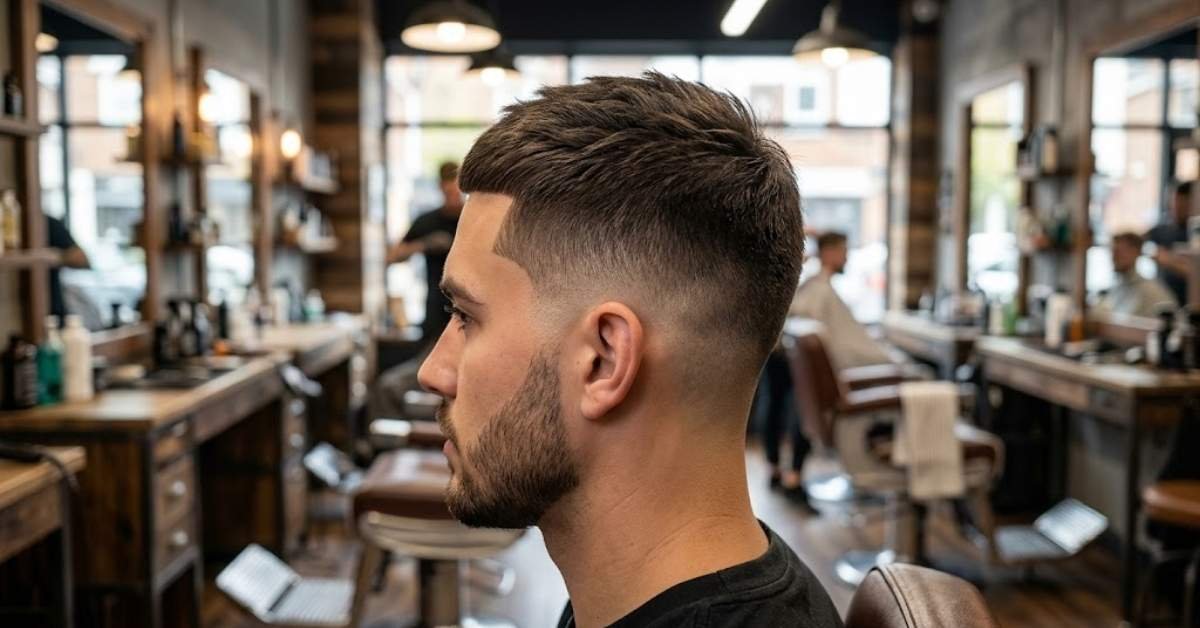

Low taper fade short hair is one of the cleanest, easiest-to-maintain haircuts a man can wear in 2026. The fade starts low, near the ear and neckline, and blends gently into short hair on top, so the cut never looks harsh or overdone. It works for curly, straight, thick, thin, and wavy hair, and it suits teenagers, professionals, and older men alike.
This guide breaks down what a low taper fade short hair actually is, the best short hair styles to pair with it, how to ask your barber for one, how to style it at home, and the mistakes that quietly ruin the cut. Whether you want a sharp office-ready look or a relaxed everyday style, you will find a version of the low taper fade short hair that fits.
What Is a Low Taper Fade for Short Hair?
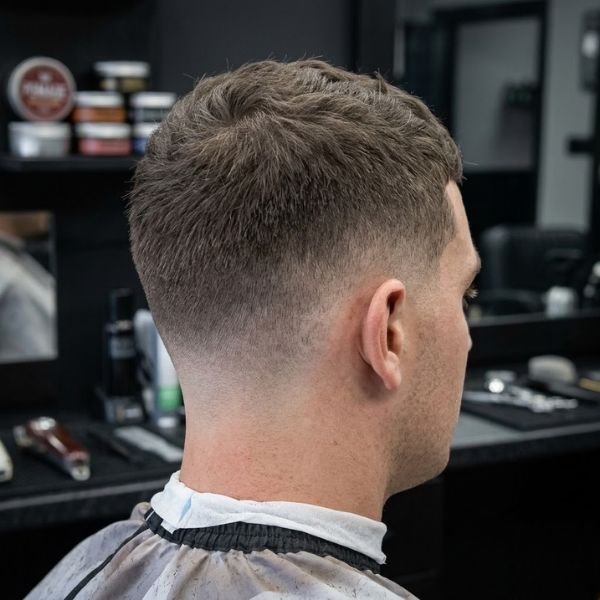
A low taper fade short hair is a haircut where the hair on the sides and back gradually shortens starting near the ear line and neckline, rather than higher up near the temple or crown. Paired with short hair on top, usually between half an inch and one and a half inches, the transition stays subtle and close to the natural hairline.
Barbers typically use clipper guards ranging from a number 2 to a number 4 on top, dropping down to a 0 or 1 near the bottom of the fade. Because the blend happens low on the head, more hair is left visible overall, which gives the style a neat, understated finish rather than the bolder contrast of a mid or high fade.
Why a Low Taper Fade Works So Well With Short Hair
Short hair needs a fade that does not fight for attention, and the low taper does exactly that. The gradual blend keeps the focus on the texture and shape of the top rather than on the fade line itself. It also grows out more gracefully than a high fade, since the transition point sits closer to the natural hairline and takes longer to become noticeable.
This combination suits nearly every setting. It reads as polished enough for corporate offices and client meetings, yet relaxed enough for weekends and casual outings. It is also one of the lowest-maintenance fades available, which matters for anyone who cannot get to the barbershop every two weeks.
- Grows out cleanly without leaving an obvious hard line
- Works with round, square, oval, and diamond face shapes
- Pairs easily with beards, since the fade stays away from the jawline
- Suits thinning hair better than higher fades, which can expose more scalp
Low Taper Fade vs. Mid and High Taper on Short Hair
Choosing between a low, mid, or high taper comes down to how much contrast you want and how often you can maintain the cut.
Low Taper Fade
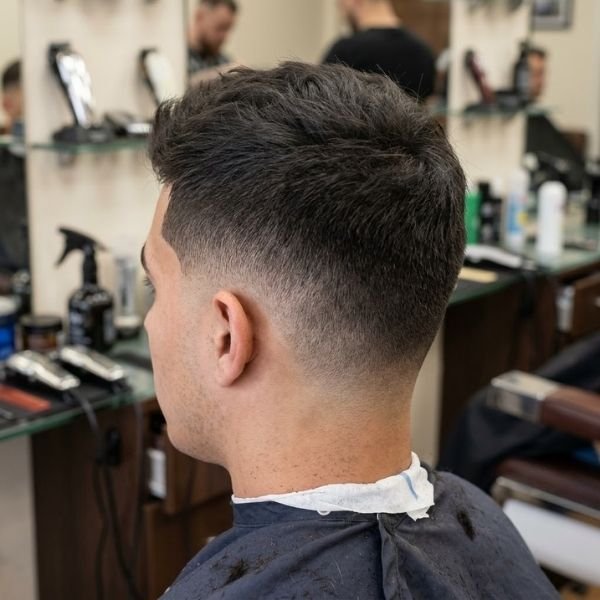
The fade begins near the ears and neckline, offering the subtlest transition of the three. It suits conservative workplaces, first-time fade wearers, and anyone who wants a cut that ages well between trims.
Mid Taper Fade
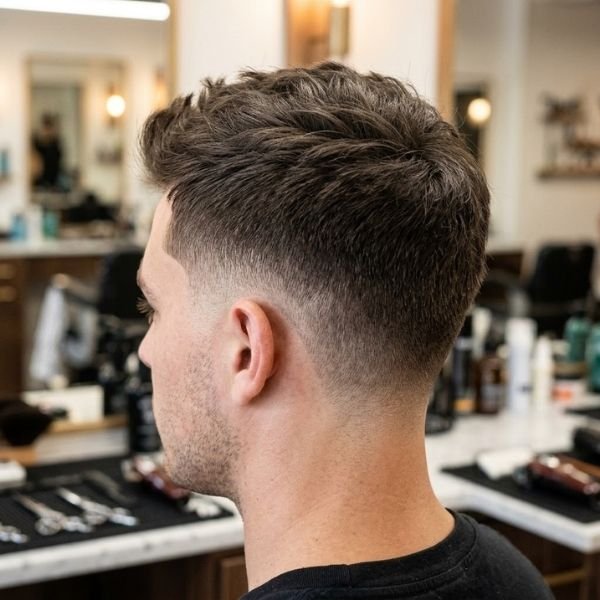
The blend starts around the temples, creating a more noticeable contrast while still staying balanced. It is a middle ground for men who want a defined look without going too bold.
High Taper Fade
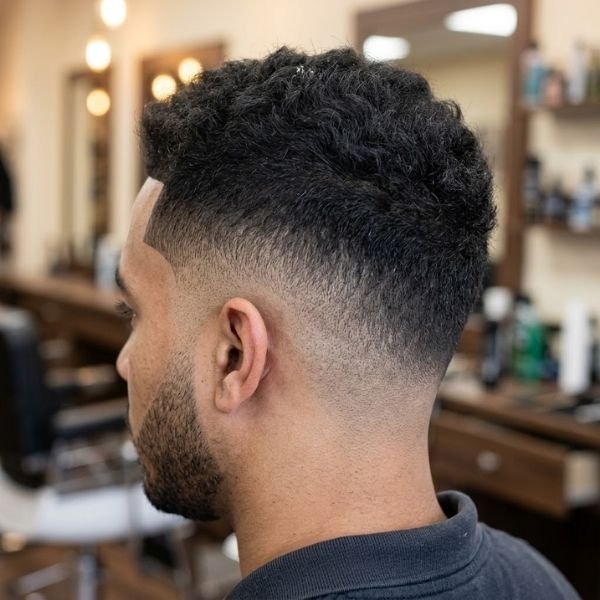
The fade starts near the crown or above the temple, producing the sharpest, most dramatic contrast. It suits men who want a statement cut and do not mind more frequent barbershop visits to keep the line crisp.
| Fade Type | Starting Point | Best For |
|---|---|---|
| Low Taper | Ear line, neckline | Offices, subtle styles, easy grow-out |
| Mid Taper | Temple area | Balanced, everyday versatility |
| High Taper | Crown, above temple | Bold contrast, statement looks |
Popular Low Taper Fade Styles for Short Hair
Low Taper Fade Buzz Cut
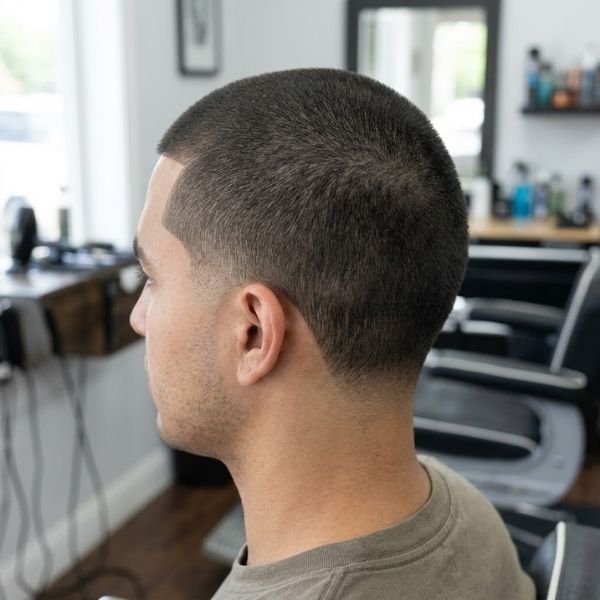
This is the lowest-maintenance version of the style, with the top clipped to a uniform short length, usually a number 2 or 3 guard. The low fade adds shape without requiring any daily styling, making it a favorite for athletes and busy professionals.
Low Taper Fade Crew Cut
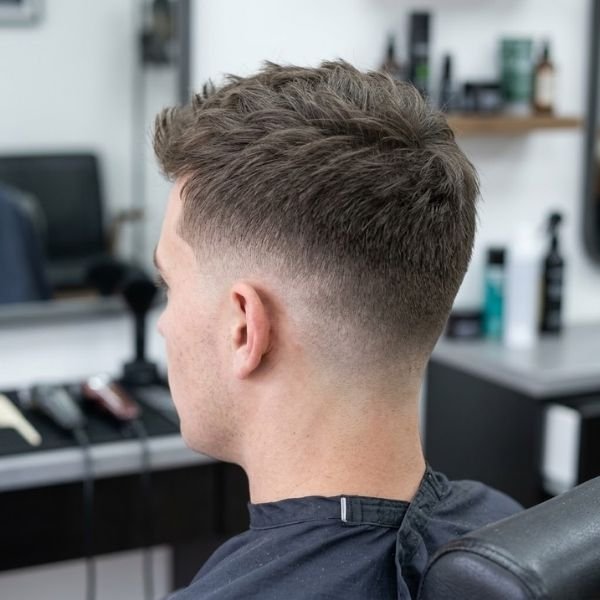
The crew cut keeps slightly more length on top than a buzz cut, tapering shorter toward the front. It gives a bit of texture to work with while still staying neat and requiring minimal product.
Low Taper Fade French Crop
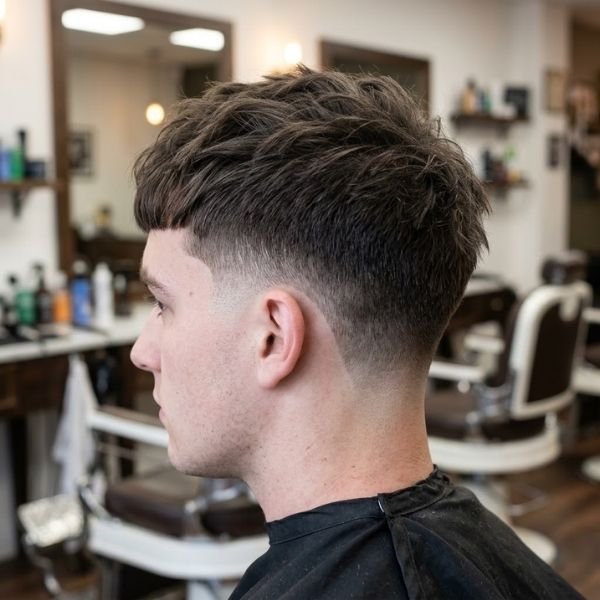
The French crop features a blunt fringe across the front with short sides tapering low. It has become one of the most requested styles of the past two years thanks to its clean, slightly retro look.
Low Taper Fade Textured Crop
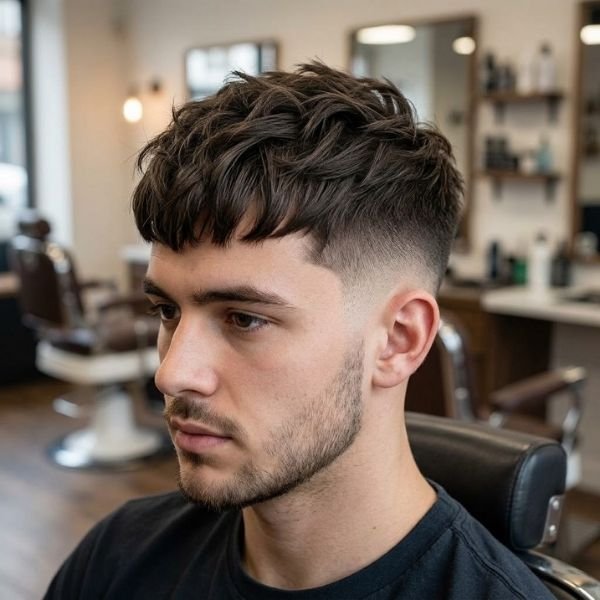
This version adds choppy, layered texture on top using a texturizing spray or matte clay. It works especially well for thick or wavy hair that naturally holds shape.
Low Taper Fade Ivy League
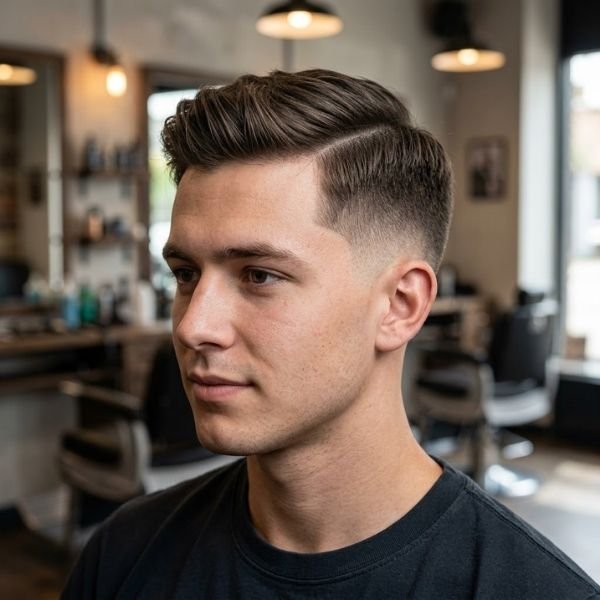
A modern take on the classic Ivy League cut, this style leaves a bit more length on top for a light side sweep, while the low fade keeps the sides tidy. It is a strong choice for business casual environments.
Low Taper Fade Side Part
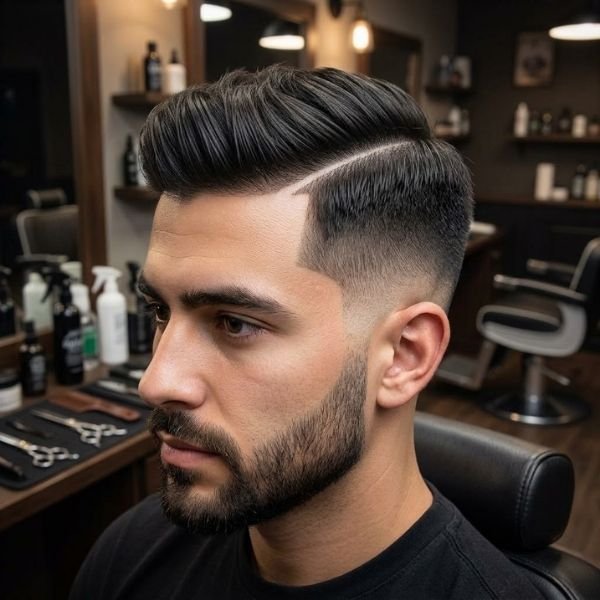
A defined side part combined with a low fade creates a sharp, classic look that photographs well for professional headshots and formal events.
Low Taper Fade Comb Over
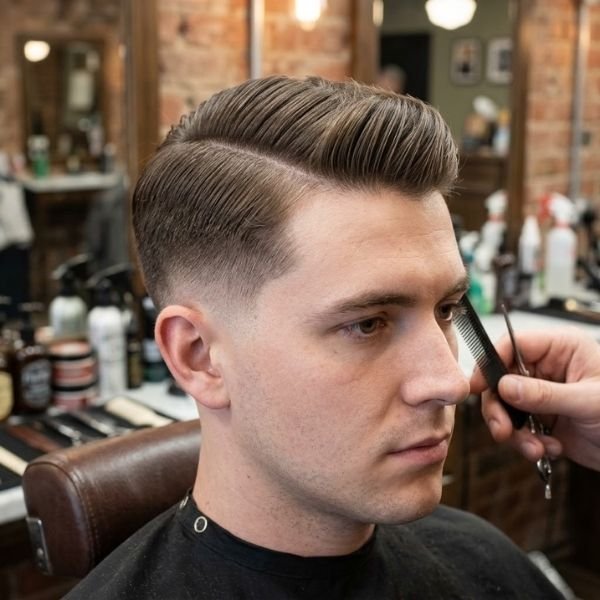
The comb over sweeps longer top hair to one side over the fade, creating contrast between the smooth top and the tapered sides.
Low Taper Fade With Fringe
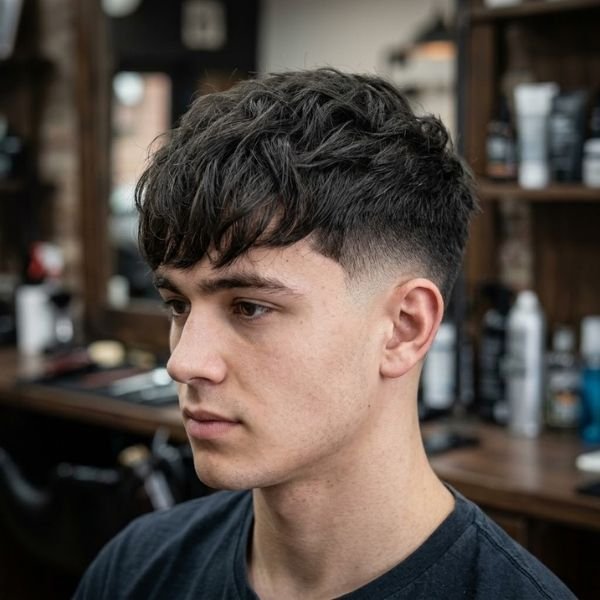
A soft fringe falling over the forehead pairs naturally with a low fade, since the low blend keeps the sides from competing with the fringe for attention.
Low Taper Fade With Straight Hair
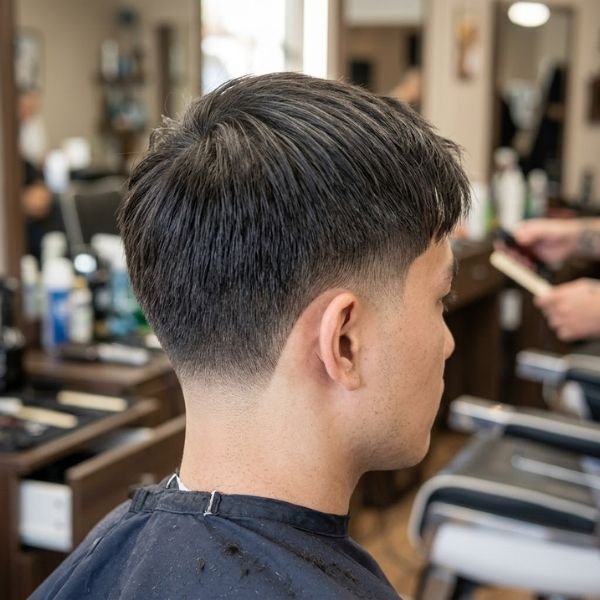
Straight hair holds a low taper fade short hair especially well because the top lies flat and shows off the smoothness of the blend, making it ideal for slick back and side part variations.
Low Taper Fade for Every Hair Type
Low Taper Fade Short Curly Hair
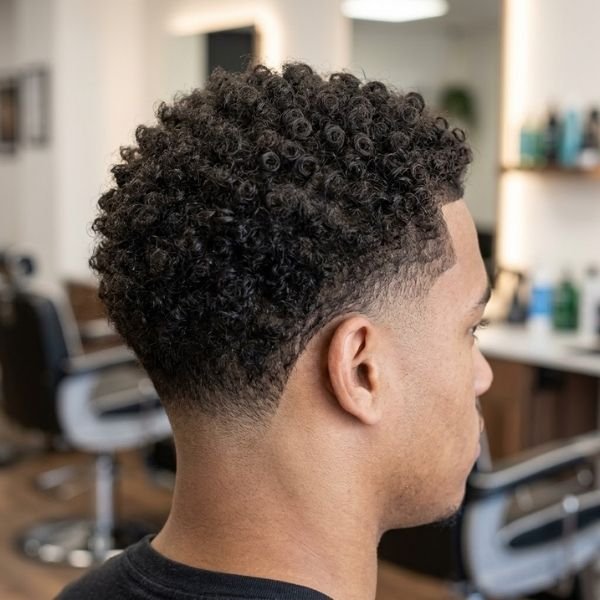
Curly hair benefits from a low fade because the reduced contrast lets the curl pattern stand out instead of the fade line. A curl-defining cream applied to damp hair helps keep the top shaped without weighing the curls down.
Low Taper Fade Short Straight Hair
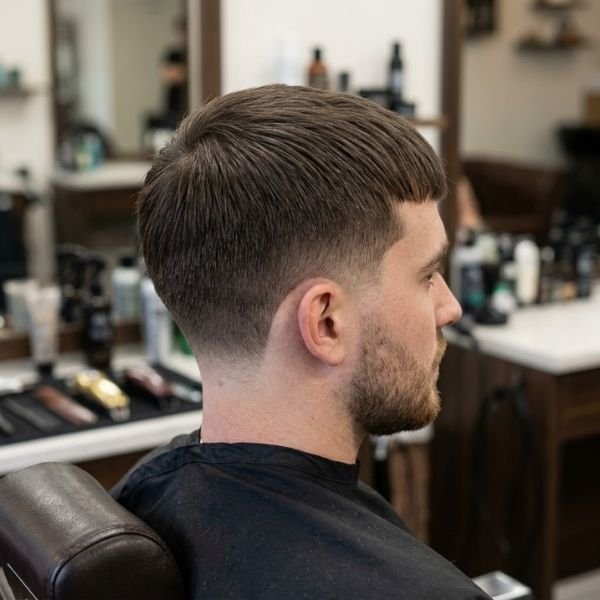
Straight hair pairs naturally with slicked or side-parted top styles, since it lies flat and shows a crisp line where the fade meets the top.
Low Taper Fade Short Thick Hair
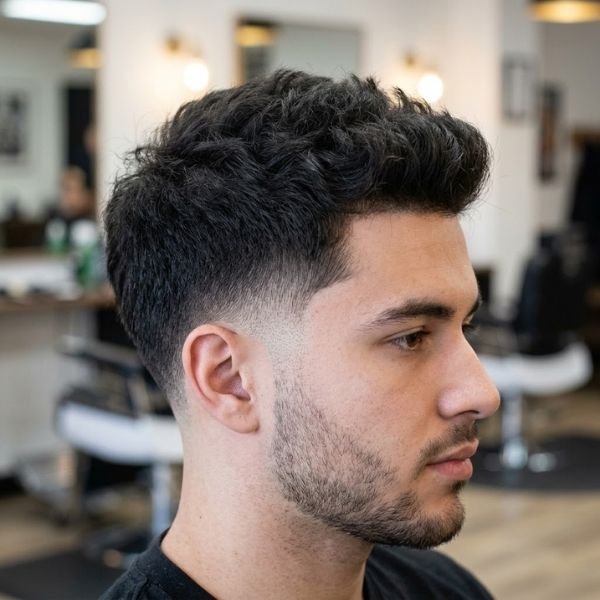
Thick hair can handle more length on top without looking bulky, and a low fade helps balance the volume by keeping the sides tight and close.
Low Taper Fade Short Thin Hair
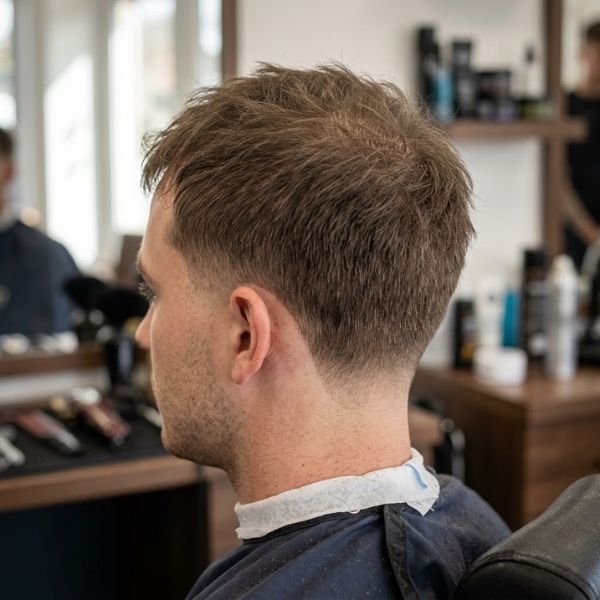
For thin hair, the low fade is often more flattering than a higher one, since it leaves more visible hair overall and avoids drawing attention to a lower hairline.
Low Taper Fade Short Wavy Hair
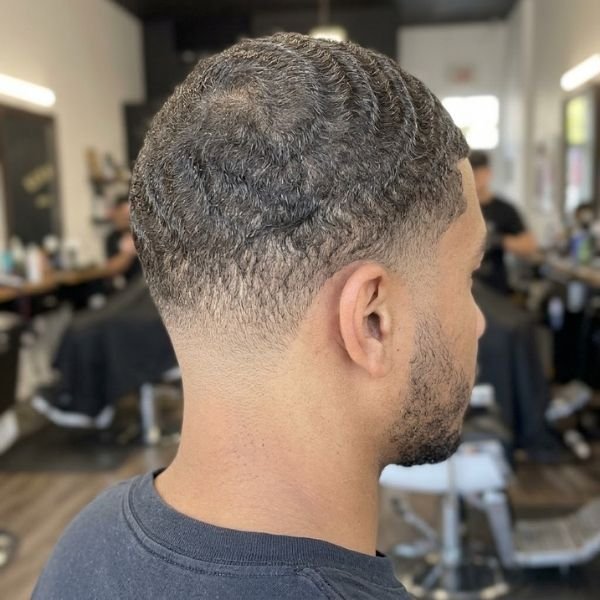
Wavy hair pairs well with a textured crop or French crop on top, letting the natural wave show through while the low fade keeps things tidy underneath.
Low Taper Fade Very Short Hair
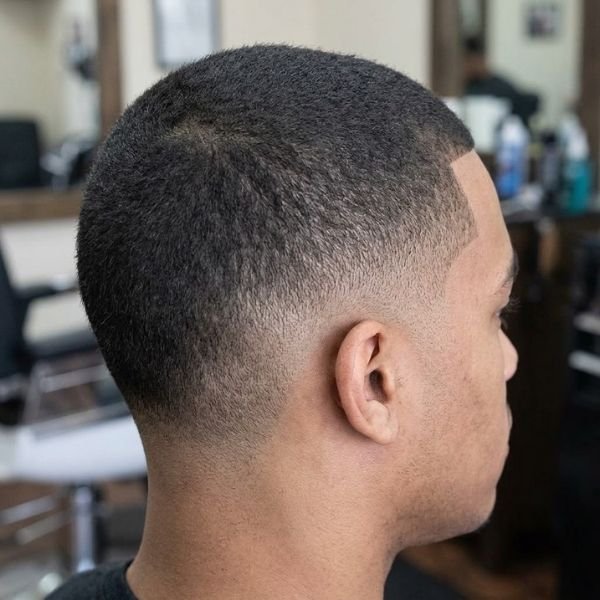
Even with hair cut down to a number 2 or shorter on top, a low fade still adds shape by creating a soft gradient rather than one flat length across the head.
Low Taper Fade Very Short Hair
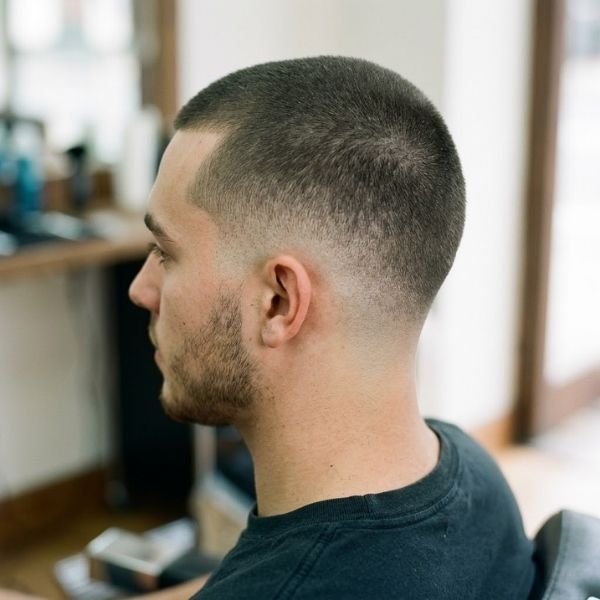
One reason the low taper fade short hair has stayed popular for years is that it flatters nearly every age group. Teenagers and college students often pair it with textured crops or fringe styles for a trend-forward look. Working professionals lean toward side parts, Ivy League cuts, or comb overs that hold up through long meetings and travel.
Older men frequently choose the buzz cut or crew cut version, since it is easy to maintain and works well with thinning hair or gray coverage. Because the fade sits low, it also suits men who are new to fades and want to ease into the look before trying anything bolder.
Tutorial: How to Get and Style a Low Taper Fade With Short Hair
Part 1: How to Ask Your Barber for a Low Taper Fade
Walking in with the right vocabulary makes a noticeable difference in the result you get.
- Say clearly that you want a “low taper fade short hair,” not just a “fade,” since barbers use different starting points for each request.
- Specify the guard length you want on top, for example a number 2 or 3, so the barber knows how short to keep it.
- Ask for the blend to start near the ears and neckline, not the temples.
- Bring a reference photo if possible, since visual references remove guesswork.
- Mention your hair type, curly, straight, thick, or thin, so the barber adjusts the technique accordingly.
Part 2: How to Style It Yourself at Home
Styling a low taper fade short hair at home is simple once you know the basic sequence.
- Start with clean, towel-dried hair rather than soaking wet hair, since product grips better on slightly damp strands.
- Apply a small amount of matte clay, pomade, or texturizing spray depending on your hair type and desired finish.
- Use your fingers, not a comb, for textured or curly styles to avoid flattening natural movement.
- For side parts or slicked looks, use a fine-tooth comb and blow-dry on low heat while shaping.
- Finish with a light hold spray if you need the style to last through a full day.
Maintenance: How Long a Low Taper Fade Lasts
A low taper fade short hair typically holds its shape for three to five weeks before the blend starts to soften and lose definition. Because the fade begins near the hairline instead of higher up, it grows out more gracefully than a mid or high taper, which usually needs a touch-up every two to three weeks.
Most barbers recommend a trim every three weeks for men who want the line to stay crisp, and every four to five weeks for those comfortable with a slightly softer, more grown-out look.
Before and After: Low Taper Fade Inspiration
Looking at before-and-after examples is one of the easiest ways to picture how dramatic the change can be, even with a subtle fade. Search for terms like “low taper fade short hair transformation” alongside your hair type and face shape to find comparisons closest to your own starting point. Barbershop social media accounts, especially on Instagram and TikTok, post frequent before-and-after clips that show the full blending process step by step, which is useful for understanding what to expect during your own appointment.
Common Mistakes to Avoid With a Low Taper Fade
- Skipping regular trims. Waiting too long between visits lets the fade grow out unevenly, especially at the neckline.
- Choosing the wrong guard length for your hair type. Thick hair often needs a longer guard than thin hair to avoid looking patchy.
- Overusing product. Heavy pomade or gel can make short hair look greasy rather than styled.
- Not communicating clearly with the barber. Vague requests like “just fade it” often lead to a mid or high fade instead of a low one.
- Ignoring face shape. A style that flatters an oval face may not suit a round or square face the same way.
- Skipping aftercare. Not moisturizing the scalp after a fresh cut can lead to dryness and flaking, especially for curly or coily hair.
Choosing the Right Barber for Your Low Taper Fade
The low taper fade short hair depends heavily on precise blending, so the barber’s skill matters more than the barbershop’s décor. Look for a barber who has photos of low fades specifically in their portfolio, not just general fade work, since low blends require a different technique than mid or high fades. Reading recent reviews that mention fade work by name is a reliable way to confirm consistency.
It also helps to book a consultation or short chat before the first appointment, where you can show reference photos and confirm the barber understands the difference between a low, mid, and high fade.
Products That Help a Low Taper Fade Short Hair Style Look Its Best
- Matte clay for textured crops and natural-looking hold without shine
- Pomade for slicked styles, side parts, and comb overs that need a polished finish
- Texturizing spray for adding volume and grip to wavy or straight hair
- Curl cream for defining curls without weighing them down
- Light hold hairspray for keeping the style in place through a full day
- Moisturizing scalp oil for soothing the skin after a fresh fade
Frequently Asked Questions
What is a low taper fade for short hair?
It is a haircut where the sides and back fade gradually starting near the ears and neckline, paired with short hair on top for a clean, understated look.
Is a low taper fade good for short hair?
Yes, it is one of the most flattering fade options for short hair because the subtle blend keeps the focus on the top’s texture and shape.
Does a low taper fade suit short hair?
It suits nearly all short hair types, including curly, straight, thick, thin, and wavy, since the low blend adapts to different textures easily.
How long does a low taper fade last?
Most low taper fades hold their shape for three to five weeks before the blend needs to be refreshed.
How often should you trim a low taper fade?
A trim every three to five weeks keeps the fade looking sharp, depending on how quickly your hair grows.
Can you get a low taper fade with very short hair?
Yes, even hair cut to a number 2 or shorter on top can carry a low taper fade short hair, since the fade still creates a soft gradient toward the hairline.
Final Thoughts
A low taper fade short hair paired with short hair remains one of the most reliable, low-maintenance haircuts a man can choose in 2026. It suits nearly every hair type, face shape, and age group, and it grows out far more gracefully than higher fades. Whether you prefer a buzz cut, a textured crop, or a classic side part, the low taper fade short hair gives you a clean foundation that works for both the office and everyday life.
Bring the right vocabulary and reference photos to your next barber appointment, stick to a trim schedule of three to five weeks, and choose products that match your hair type to keep the style looking sharp between visits.


2 thoughts on “Low Taper Fade Short Hair: Best Styles to Try & Mistakes to Avoid”