
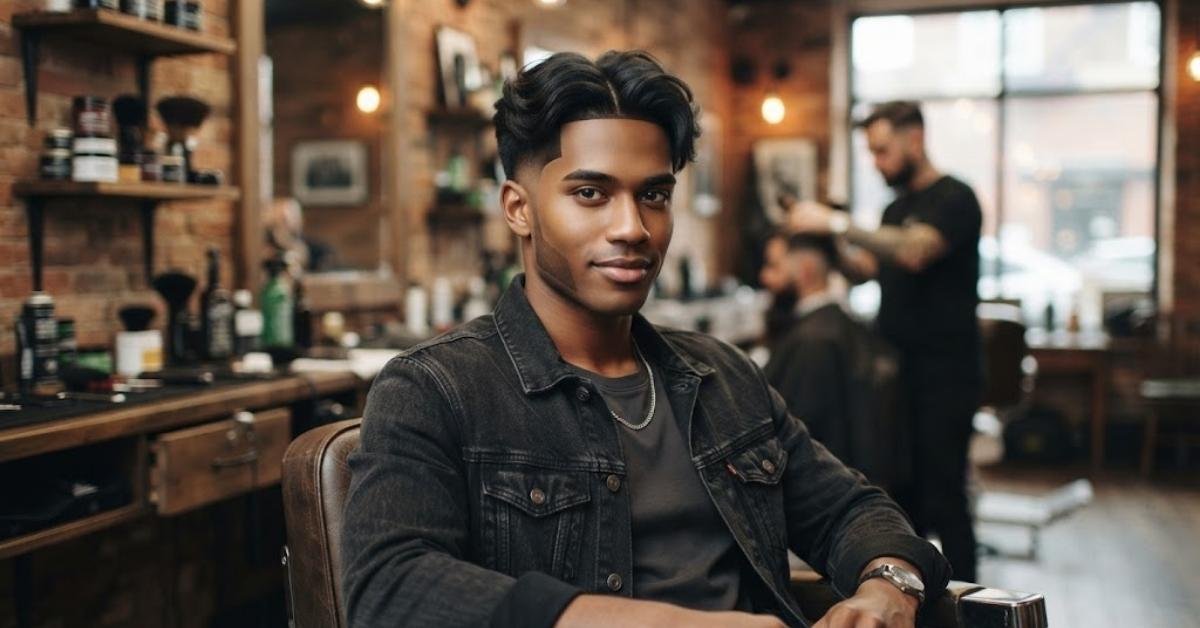

A low taper fade middle part is a haircut where the sides and neckline shorten gradually from just above the ears and nape, while the top stays long enough to split down the center. The fade is subtle, so the cut looks clean without the harsh contrast of a skin fade. The center part adds balance and frames the face.
It suits straight, wavy and curly hair, works at the office or on the weekend, and grows out neatly. It is easy to describe to a barber, simple to style at home and flattering on most face shapes. This guide covers the styles, face shapes, barber instructions, daily styling and mistakes to avoid.
What Is a Low Taper Fade Middle Part?
A low taper fade middle part pairs a soft low taper on the sides and back with a centered part on top. The taper starts near the sideburns and nape, so the sides keep most of their length. The top usually sits between 3 and 6 inches (8 to 15 cm), which is long enough to fall evenly on both sides.
Barbers like it because it is easy to explain and easy to repeat. Clients like it because it looks planned without looking overstyled.
What Is a Low Taper Fade?
A low taper fade shortens the hair in small steps toward the ears and neckline, then stops at a low point. A taper trims the edges, while a full fade removes much more length and often reaches bare skin. A low taper rarely does.
Because it only touches the outer edges, it is the most conservative fade. That is why it shows up in offices, schools and weddings.
What Is a Middle Part Hairstyle?
A middle part splits the hair down the center of the forehead, roughly in line with the nose. Each half falls to one side and creates a symmetrical look that shows off the cheekbones and brow.
Hair about 3 inches or longer on top parts cleanly. Shorter hair tends to stand up and fight the split.
Why Is the Middle Part Back in Style?
The center part is a repeat trend. It was everywhere in the 1990s, when actors like Leonardo DiCaprio, the star of Titanic, made curtain hair famous. Today a new generation is wearing it again, only cleaner.
Social media is a big driver. Men’s style outlet Man of Many says K-pop idols have pushed the middle part into global trend territory. K-pop idols are South Korean pop singers whose looks spread fast on TikTok and Instagram.
The low taper is the other reason. It fixes the old problem of shaggy sides and gives the part a sharp frame. More men are also growing out their hair, and a taper keeps that growth tidy.
Benefits of a Low Taper Fade Middle Part
This cut earns its popularity for practical reasons, not just looks. Here are the main benefits:
• Versatile: It looks right with a suit, a hoodie or a gym shirt.
• Graceful grow out: A low taper blends back in without a harsh line.
• Face framing: The center part draws attention to the eyes and cheekbones.
• Wide hair type range: Straight, wavy and curly hair can all wear it.
• Easy transition: You can grow the top while the taper keeps the sides neat.
• Flexible styling: Wear it sleek, textured or messy depending on the day.
Read More: Low Taper Fade Quiff Haircut: Top 39 Best Styles for Men in 2026
Top 26 Best Low Taper Fade Middle Part Hairstyles
These looks cover the most requested variations, from clean office cuts to loose weekend flow. Pick the one that matches your hair type and routine, then show a photo to your barber.
Classic Low Taper Fade Middle Part

This is the base version. The top is combed straight down the center, and the sides taper softly. It suits nearly everyone and works as a safe first try.
Modern Low Taper Fade Middle Part
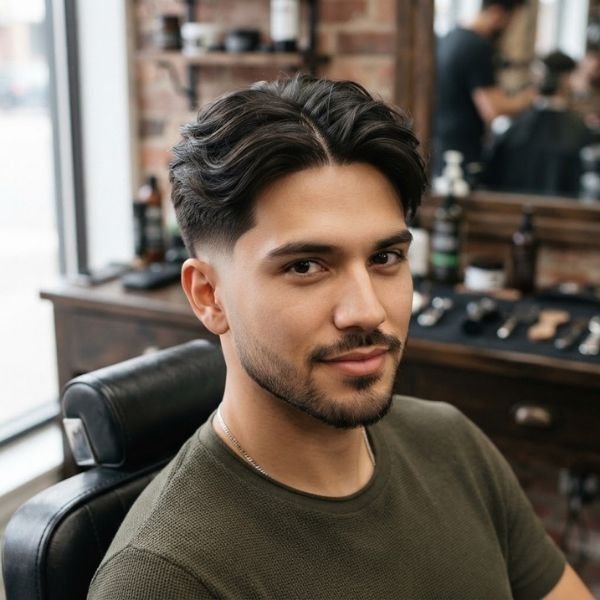
The modern take adds a lightly tousled finish and slightly longer top. Sea salt spray gives it movement without making it look wet.
Textured Low Taper Fade Middle Part
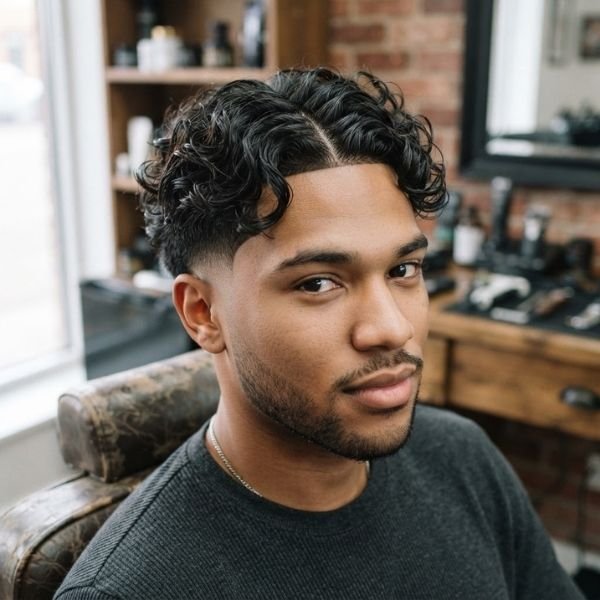
Your barber cuts small layers into the top to add grip and body. Style it with clay for a dry, natural finish that holds the part in place.
Messy Low Taper Fade Middle Part
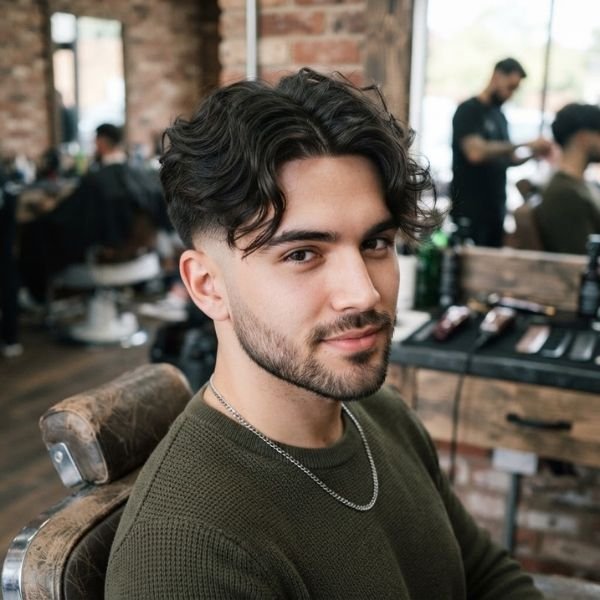
This version leans into disorder. Let the hair fall loosely, rough dry it and keep the part soft rather than razor straight. It is the lowest effort look on the list.
Straight Hair Low Taper Fade Middle Part
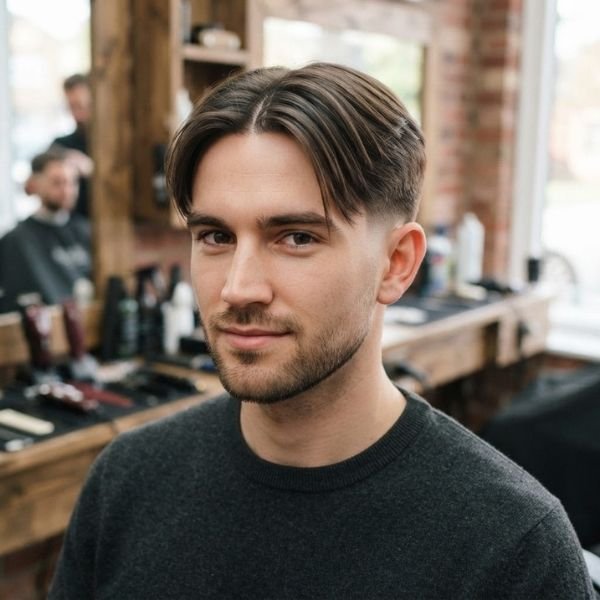
Straight hair parts easily and falls flat, so it needs a little lift. Blow dry the roots and use a light cream to stop the sides from collapsing.
Wavy Hair Low Taper Fade Middle Part
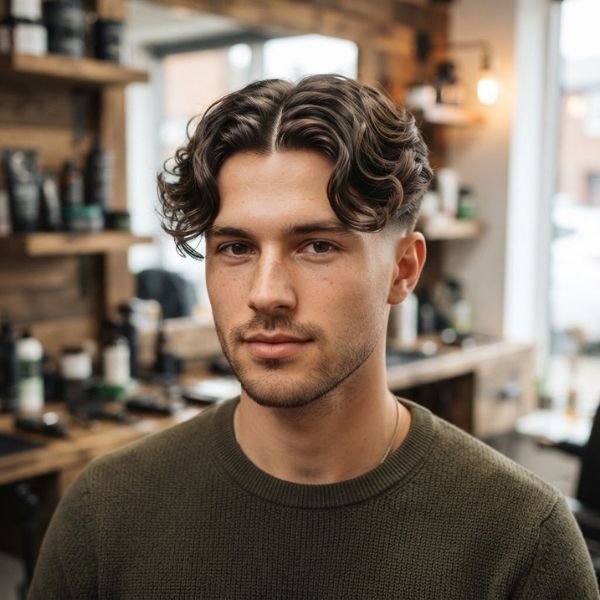
Waves look best with some length. The weight pulls the wave into soft curtains on each side, and the taper keeps the ears clear.
Curly Hair Low Taper Fade Middle Part
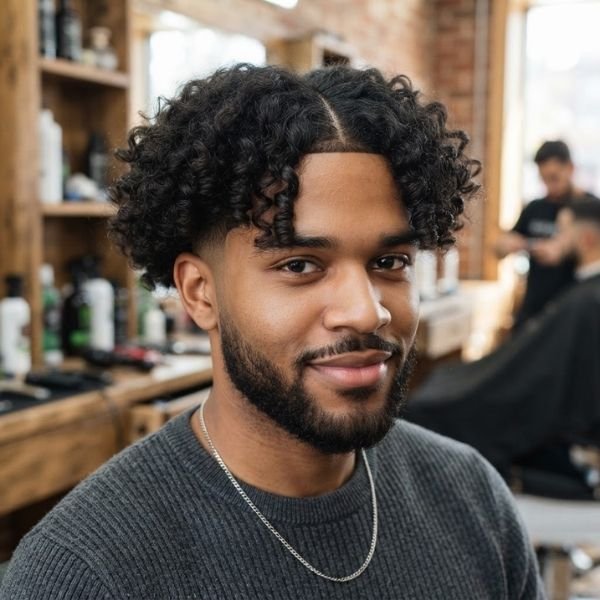
Curls create a natural, rounded shape around the part. Ask for extra length on top so the curl pattern has room, and use a curl cream to control frizz.
Thick Hair Low Taper Fade Middle Part
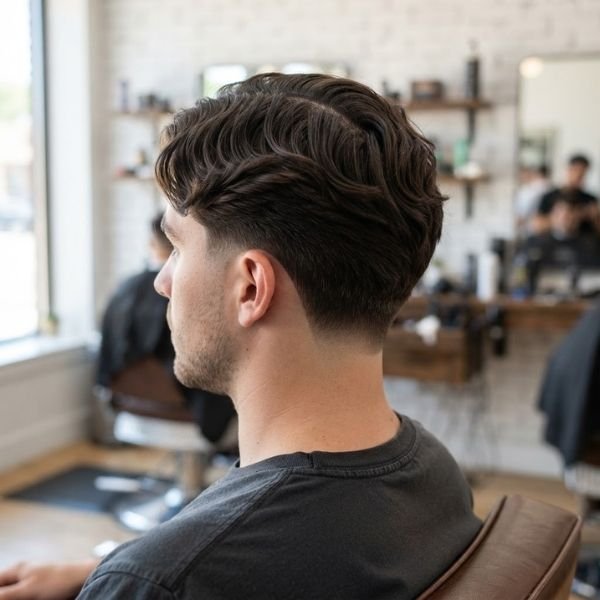
Thick hair can look heavy. Ask your barber to thin the top with texturizing shears so it falls cleanly. The low taper removes bulk behind the ears.
Thin Hair Low Taper Fade Middle Part
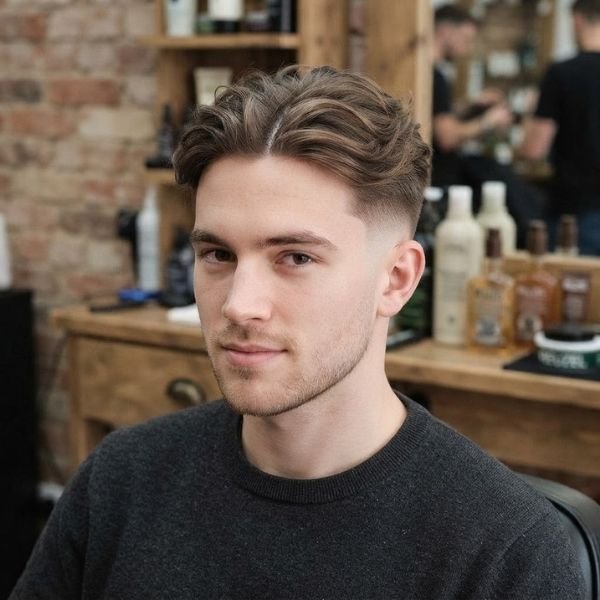
Thin hair needs volume, not length. Keep the top at medium length, add a volumizing powder and avoid heavy gels that flatten the strands.
Asian Low Taper Fade Middle Part
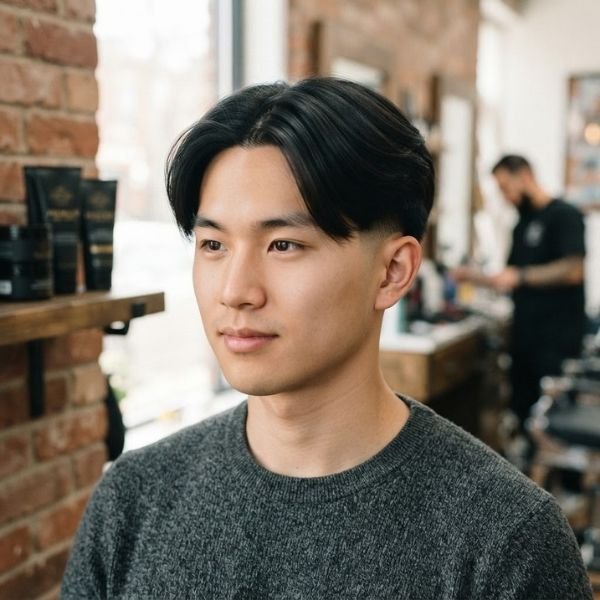
Asian hair is often straight and dense, which makes it ideal for a clean center part. A matte clay keeps the shape and the taper stops the sides from flaring out.
Blonde Low Taper Fade Middle Part
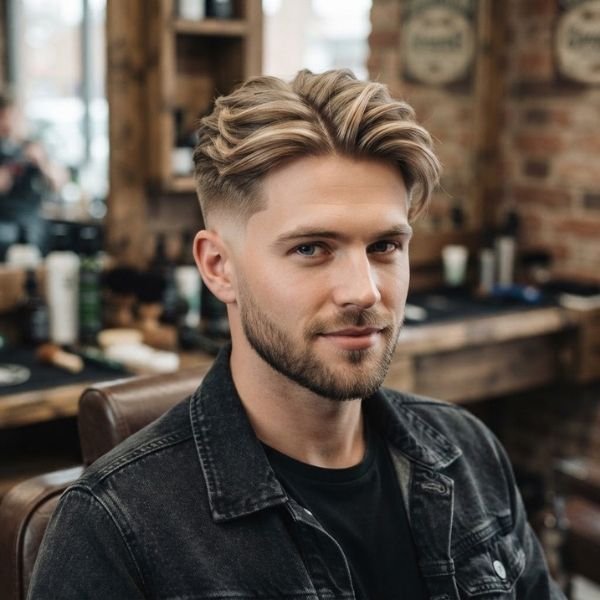
Blonde tones add contrast to the taper and make the part stand out. Use a purple shampoo each week to keep brassy tones away.
Layered Low Taper Fade Middle Part
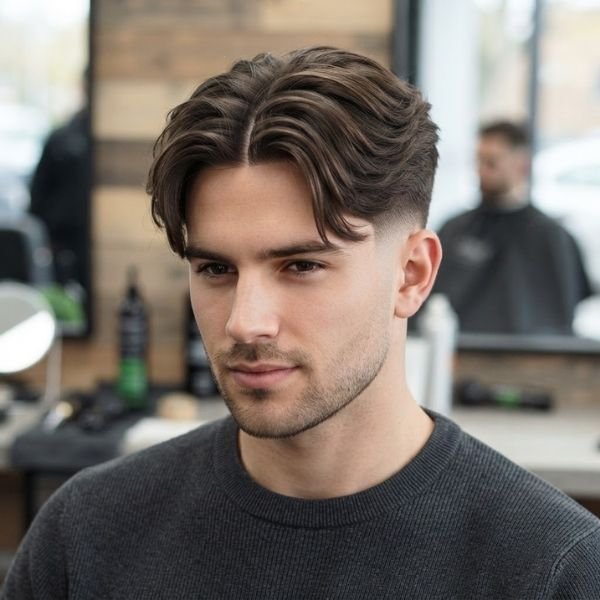
Layers add shape and prevent the top from hanging in one heavy sheet. This cut works well on medium hair and gives a soft, flowing outline.
Long Top Low Taper Fade Middle Part
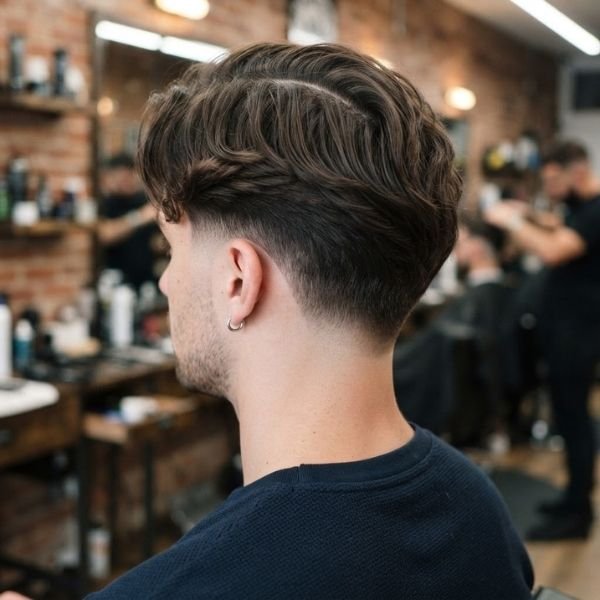
A long top reaches the cheekbones or jaw. It looks dramatic and needs a good conditioner, but the low taper keeps the overall shape controlled.
Short Low Taper Fade Middle Part
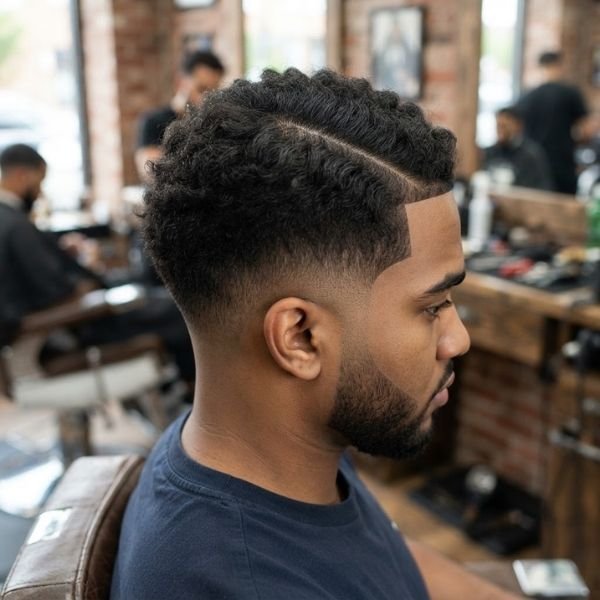
Here the top is trimmed to about 2 or 3 inches. The part is more subtle and takes seconds to style, which suits busy mornings.
Middle Part Taper Fade
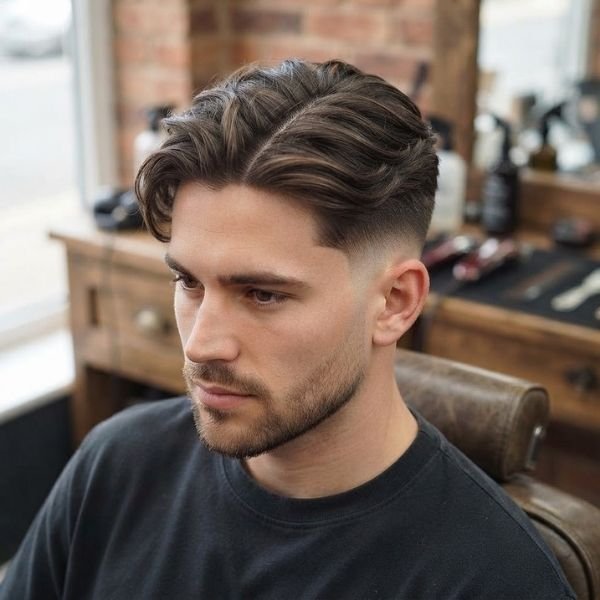
This is the broader category. The taper can sit low, mid or high, so ask your barber to keep it low if you want a softer, more conservative result.
Low Taper Fade Middle Part with Fringe
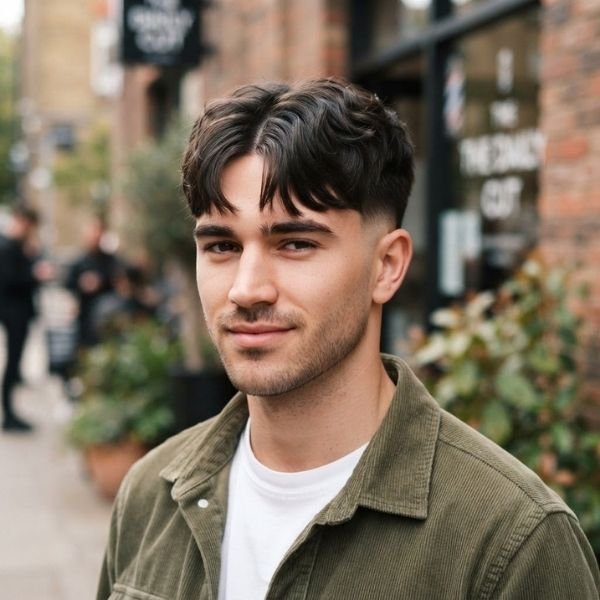
A fringe softens the forehead. Cut it slightly forward on both sides of the part, then taper the sides to keep the look neat.
Low Taper Fade Middle Part with Curtains
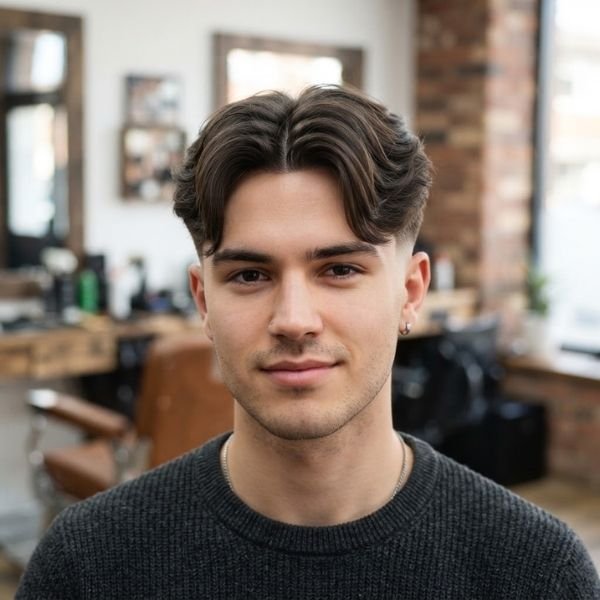
Curtains drape on each side of the face in a smooth, even sweep. The taper tidies the edges so the retro shape looks current rather than dated.
Low Taper Fade Middle Part with Beard
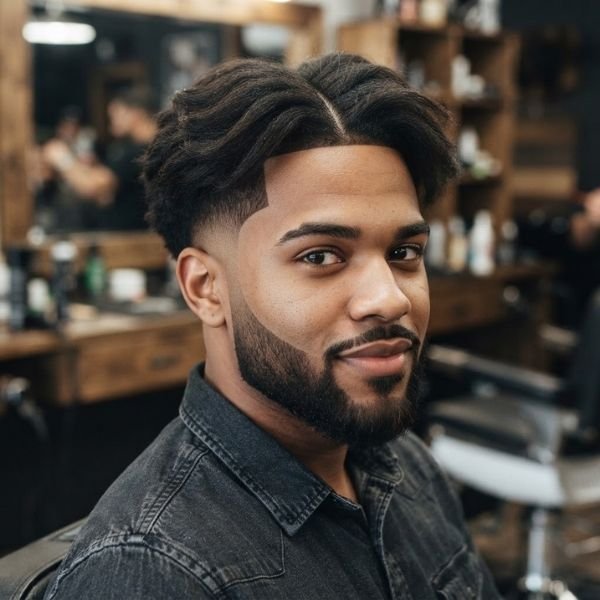
A short beard faded into the taper creates one clean line from sideburn to jaw. It also adds structure to rounder faces.
Low Taper Fade Middle Part with Volume
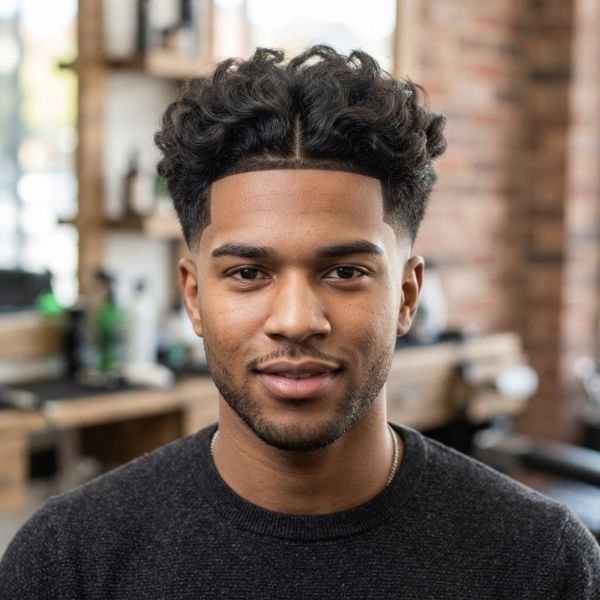
Lift the roots with a blow dryer and a round brush, then set with light hairspray. Volume adds height and balances wider face shapes.
Professional Low Taper Fade Middle Part
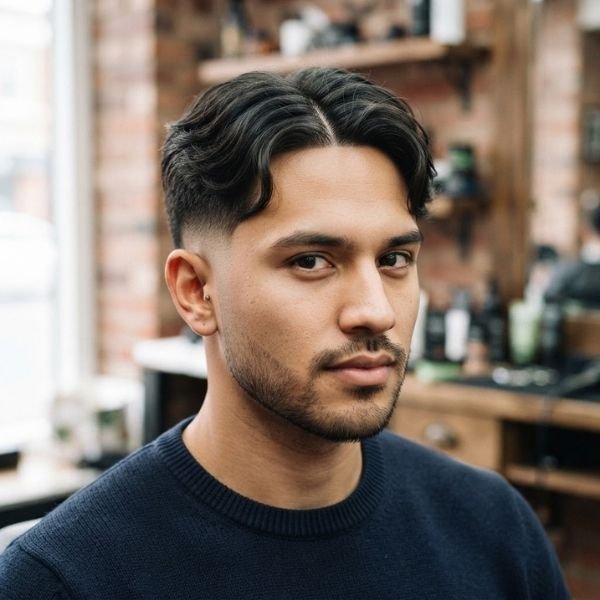
Keep the part sharp, the top neat and the taper tight at the neckline. A small amount of pomade gives a polished finish that holds through meetings.
Low Taper Fade Middle Part for Teen Boys
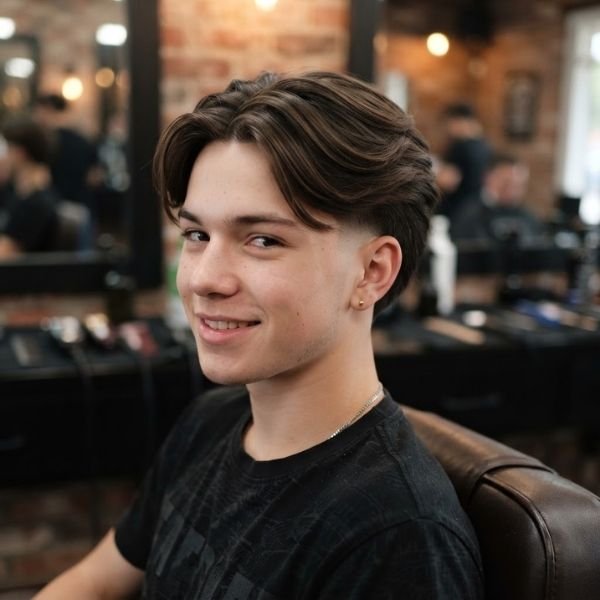
Teens often like easy styles with room to grow. Ask for a modest taper and a medium top so the cut stays school friendly and simple to manage.
Natural Low Taper Fade Middle Part
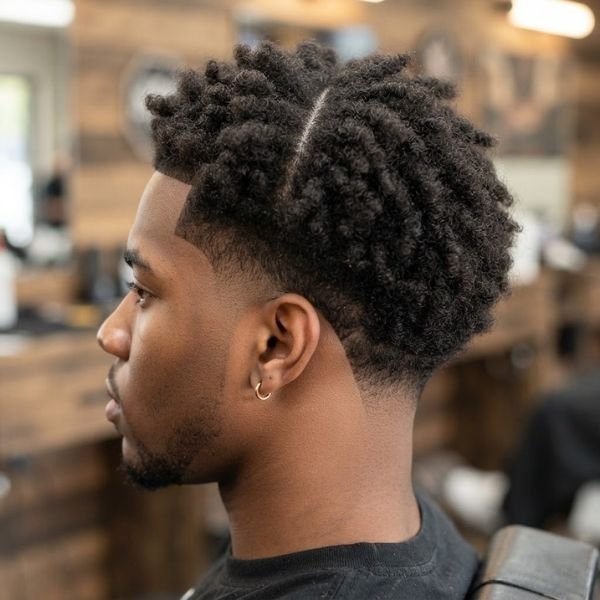
Skip the product and let the hair fall where it wants. Air dry after washing, then pull the part with your fingers.
Low Taper Fade Middle Part with Textured Top
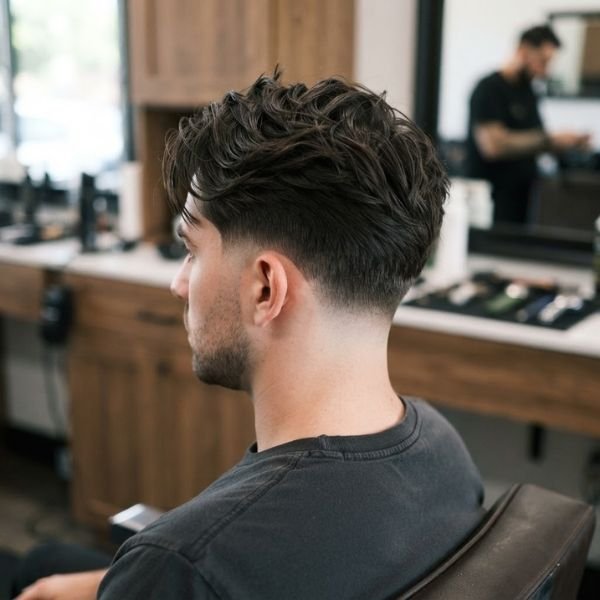
The top is point cut for an uneven, lived in texture. It gives separation between strands and works especially well on fine hair.
Clean Low Taper Fade Middle Part
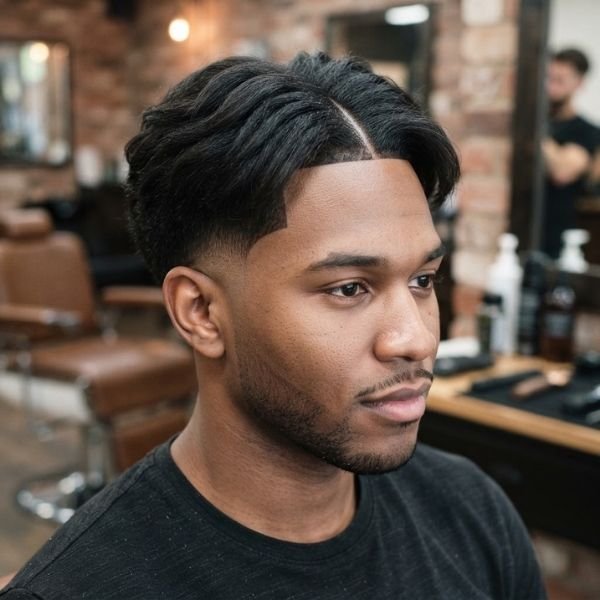
Sharp edges, a neat line up and a crisp part define this one. It needs trims more often, but the polished result is worth the effort.
Casual Low Taper Fade Middle Part

Think relaxed, slightly rumpled and ready for anything. A dab of paste and a quick comb is all you need.
Trending Low Taper Fade Middle Part 2026
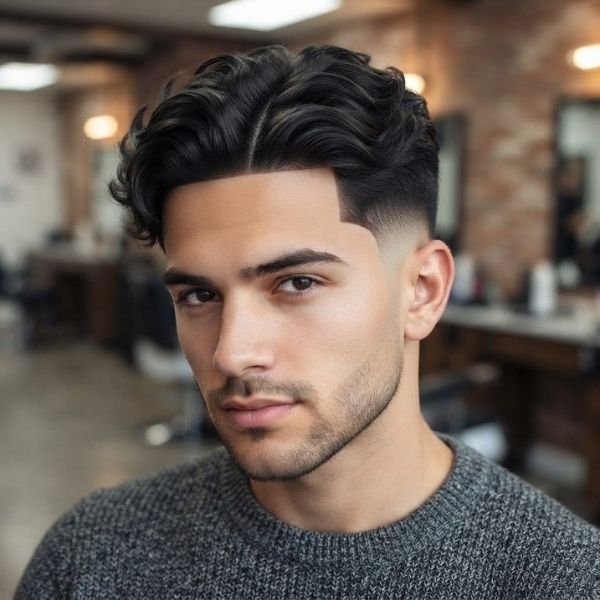
The 2026 version favors natural texture, longer tops and softer tapers rather than sharp skin fades. Expect more flow, less product and a lived in finish.
How to Ask Your Barber for a Low Taper Fade Middle Part
Clear instructions prevent most haircut disappointments. Bring a photo, then follow these steps:
1. Say you want a low taper fade with a middle part on top.
2. Ask for the taper to start just above the ears and the nape.
3. Request clipper guards, such as a #2 or #3 at the shortest point, for a softer result.
4. Tell your barber how long you want the top, for example 4 inches.
5. Ask for texture or layers if your hair is thick.
6. Check the part in the mirror before you leave the chair.
Photos from different angles help most. They show how the taper meets the neckline.
Read More: Curly Burst Fade Haircut: 35 Styles for Every Curl Type (2026)
Best Face Shapes
Face Shape Compatibility
| Face shape | Best adjustment |
| Oval | Almost any length works |
| Round | Add height and keep the sides tight |
| Square | Choose a softer, layered top |
| Diamond | Keep fullness at the forehead and jaw |
| Heart | Add a light fringe and length at the sides |
| Oblong | Avoid height, keep the sides fuller |
Oval Face
Oval faces are balanced, so nearly every version works. A classic cut with a medium top is a safe choice.
Round Face
Add volume at the roots to create height. A tight low taper keeps the sides slim and makes the face look longer.
Square Face
Square jaws are strong already. Soften them with layers and a textured top instead of a rigid, flat part.
Diamond Face
Diamond faces have wide cheekbones. A fringe or fuller top adds width at the forehead and keeps the shape balanced.
Heart Face
A heart shape is wider at the forehead and narrower at the chin. A longer, fuller sweep at the sides adds weight near the jaw.
Oblong Face
Avoid too much height. Keep the sides fuller and the top flatter so the face does not look stretched.
Best Hair Types
Straight Hair
Straight hair gives the cleanest part. It needs a little texture product to avoid looking flat.
Wavy Hair
Wavy hair is one of the best matches. The natural bend creates movement and holds the center split easily.
Curly Hair
Curly hair needs extra length and moisture. The taper controls the sides while the curls frame the part.
Thick Hair
Thick hair benefits from thinning and layers. Otherwise the part can look bulky and heavy.
Thin Hair
Thin hair works best at medium length with a volumizing product. Avoid heavy waxes.
Medium Length Hair
Medium length, around 3 to 5 inches, is the sweet spot. It parts well and still styles quickly.
Pros and Cons
Every haircut has trade offs. Here is an honest look at this one.
Pros:
• Works for formal and casual settings
• Grows out neatly
• Fits many hair types and face shapes
• Easy to style once the cut is right
Cons:
• Needs a trim every 3 to 4 weeks to keep the taper sharp
• Short or very coarse hair can resist the part
• Cowlicks at the front may force the hair off center
• Growing the top out takes patience
How to Style a Low Taper Fade Middle Part
Styling takes about five minutes. Start with clean, towel dried hair, then choose a product that matches your texture and finish.
Best Styling Products
• Sea salt spray: Adds grip and a beachy feel to fine or straight hair.
• Matte clay: Gives hold without shine, ideal for textured and thick hair.
• Light pomade: Delivers a neat, polished finish for work.
• Curl cream: Defines curls and reduces frizz.
• Volumizing powder: Adds body to thin hair.
Step-by-Step Styling Guide
1. Wash and towel dry until the hair is damp, not wet.
2. Apply sea salt spray or a light cream to the roots.
3. Blow dry on medium heat while pushing the hair away from the center.
4. Use a comb to draw a straight line from the middle of the forehead to the crown.
5. Work a pea sized amount of clay or pomade through the lengths.
6. Finish with light hairspray if you need all day hold.
How to Maintain a Low Taper Fade Middle Part
Regular care keeps the cut sharp. Book a barber visit every 3 to 4 weeks, because the taper is the first part to look untidy once it grows.
Wash with a gentle shampoo two or three times a week and use conditioner on longer tops. Trim split ends every couple of months to keep the part clean, and avoid heavy products that build up and weigh the hair down.
Read More: The Quiff Hairstyle: 28 Stylish Variations For Modern Men
Low Taper Fade Middle Part vs Curtains
Curtains are a style of long, center parted hair that falls over the forehead and ears. A low taper fade middle part is shorter at the sides and neater overall. Choose curtains for a relaxed, retro look and the taper version for a cleaner finish.
Low Taper Fade Middle Part vs Side Part
A side part sits off center and creates a more traditional, structured look. The middle part is more modern and symmetrical. Side parts suit heavier cowlicks and formal dress codes, while center parts suit longer, flowing tops.
Low Taper Fade Middle Part vs Fluffy Hair
Fluffy hair is styled for height and airy volume, often with a blow dryer and no strict part. The low taper fade middle part has more structure and a defined center line. The two combine well if you want volume with a sharper frame.
Celebrity Inspiration
Many well known men have worn the center part with tidy sides. Charles Melton, the actor from Riverdale and May December, has been photographed in a wavy middle part. Timothée Chalamet, the star of Dune, is known for center parted, textured hair.
Robert Pattinson, who plays Batman, and Jacob Elordi, the actor from Euphoria and Saltburn, have also worn the look at different lengths. Use their photos as a reference, then adapt the length to your own hair type.
Common Mistakes to Avoid
Most bad results come from a few simple errors:
• Cutting the top too short: The part will not lie flat.
• Forcing a part on a strong cowlick: Work with the natural growth direction.
• Using too much product: Heavy gel creates a crunchy, wet look.
• Skipping barber visits: The taper loses its shape fast.
• Ignoring face shape: A cut that is wrong for your face can look awkward.
• Poor communication: Always bring a photo and name the guard numbers.
Conclusion
The low taper fade middle part is a flexible, modern haircut that works for most men. It looks sharp, grows out neatly and adapts to different hair types and face shapes. The key is a good barber, the right length on top and simple daily styling.
Pick the version that fits your routine, show a clear photo at your next appointment and book regular trims. Which style from this list will you try first? Share it in the comments and pass this guide to a friend who needs a fresh cut.
FAQ’s
What is a low taper fade middle part?
A low taper fade middle part has short, softly faded sides and a top split down the center. It looks neat and works daily.
How long should my hair be for a low taper fade middle part?
Keep the top about 3 to 6 inches long. A low taper fade middle part needs this length to fall evenly on both sides.
Does a low taper fade middle part suit thin hair?
Yes, it can. Keep the top at medium length and add a light volumizing powder so the low taper fade middle part looks full.
Is a low taper fade middle part good for curly hair?
Yes, curls look great with it. Leave extra length on top and use curl cream so your low taper fade middle part stays defined.
How often should I get a low taper fade middle part trimmed?
Book a trim every 3 to 4 weeks. This keeps the taper sharp and your low taper fade middle part looking fresh.
What should I tell my barber to get a low taper fade middle part?
Ask for a low taper on the sides and a middle part on top. Bring a photo to make it clear.
Which face shapes suit a low taper fade middle part?
Oval, round, square, diamond, heart and oblong faces can all wear it. Small changes in length and volume make a low taper fade middle part fit your face.
How do I style a low taper fade middle part every day?
Blow dry your hair away from the center, then part it with a comb. Add a little clay to hold your low taper fade middle part in place.
Is a low taper fade middle part professional enough for work?
Yes, it is. Keep the part clean and the top neat, and your low taper fade middle part looks polished at the office.


1 thought on “Low Taper Fade Middle Pat: Top 26 Powerful Hairstyles for Men in 2026”