


No, they are not exactly the same. A shag is a type of layered haircut, but not every layered haircut is a shag. The shag vs layered haircut question trips up a lot of people, and it often leads to the wrong cut in the salon chair.
Here is the simple version. Layering is a cutting technique. A shag is a specific style built with that technique, using short, choppy layers and a lot of texture.
This guide shows you how to tell them apart, which one fits your hair, and what to say to your stylist. You will also find answers to the most common myths and questions.
What a Shag vs Layered Haircut Actually Is
A shag is a heavily layered, textured cut. It has short layers at the crown, longer pieces toward the ends, and a deliberately undone finish. The look took off in the 1970s and keeps coming back in new forms.
Stylists build a shag by cutting layers close together and at sharp contrast. The top is shorter and fuller. The ends stay light, wispy, and a little broken up.
Core traits of a shag:
- Short, choppy layers around the crown
- Visible separation between pieces
- Feathered or razor-cut ends
- A fringe, often curtain bangs or wispy bangs
- A tousled, lived-in finish
A shag can be short, medium, or long. A short shag near the chin is often called a shaggy bob. A long shag keeps length but still has strong layering through the top and sides.
What a Layered Cut Actually Is
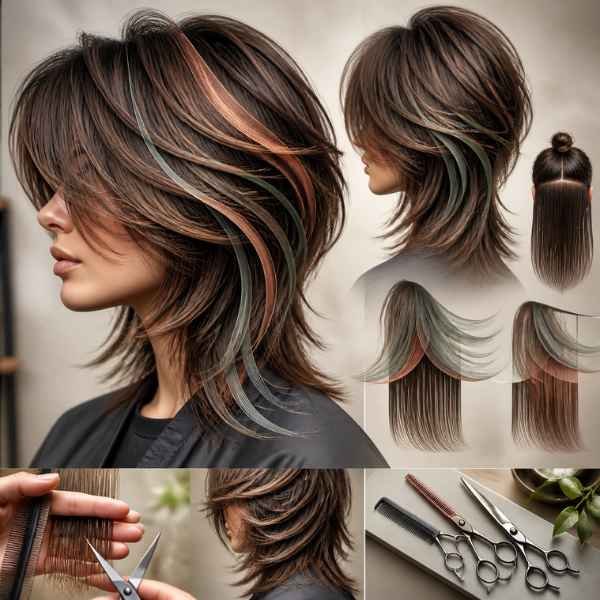
A layered haircut is any cut where sections of hair are trimmed to different lengths. Shorter hair sits over longer hair. That is the whole definition.
Layers can be subtle or dramatic. They can remove bulk, add movement, or create shape. Most layered cuts blend the sections smoothly so you do not see harsh steps between them.
Common types of layers include:
- Long layers: Gentle length changes that keep the hair looking full at the ends.
- Face-framing layers: Shorter pieces around the face that soften the jawline and cheekbones.
- Internal layers: Hidden layers that remove weight without changing the outer length.
- Short layers: Used in cropped cuts to build height and shape.
A layered cut can look sleek, bouncy, or natural. It can also be a base for other styles, including the butterfly cut, the shag, and the wolf cut. That is why layers are best seen as a tool, not a single look.
Shag vs Layered Cut at a Glance
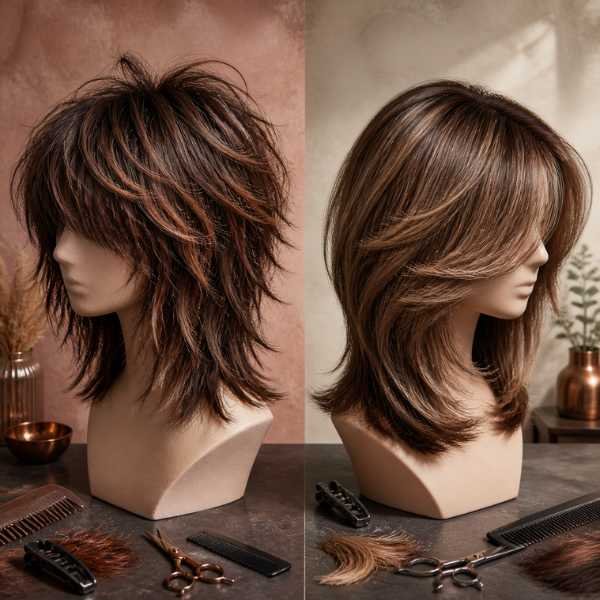
| Feature | Shag | Layered Cut |
| What it is | A specific style | A cutting technique |
| Layer style | Short, choppy, high contrast | Smooth, blended, gradual |
| Crown | Built-in volume | Volume depends on the layers |
| Ends | Wispy, feathered, broken up | Often soft and even |
| Fringe | Almost always included | Optional |
| Finish | Tousled and undone | Polished and flowing |
| Styling | Texture products, air dry friendly | Blow dry, brush, or air dry |
| Grow-out | Shape fades faster | Softer, more forgiving |
How to Tell a Shag from a Layered Cut in a Photo
Hair names get messy online. A photo labeled “layers” might be a shag, and a photo labeled “shag” might be plain long layers. These three checks help you decide fast.
A Shag Shows Volume and Choppy Ends While a Layered Cut Looks Blended
Look at the crown first. A shag has lift on top, with short pieces that stand out from the longer ones. The ends look ragged on purpose.
A layered cut usually looks continuous. The hair falls from the top to the bottom in one smooth line. You can see movement, but you cannot easily pick out where one layer stops and the next starts.
A Shag Almost Always Has a Fringe While Layers Are Optional
Check the front. Most shags come with curtain bangs, wispy bangs, or a full fringe. The bangs tie into the short crown layers and complete the shape.
A layered cut may have bangs or may not. Plenty of long layered styles have a clean, open face. If there is no fringe at all, you are probably looking at long layers, not a true shag.
A Shag Emphasizes Disconnection While Layers Emphasize Flow
This is the most useful tip. In a shag, the shorter and longer sections feel intentionally separate. The contrast is the point.
In a layered cut, the sections connect. The goal is flow and a smooth transition. When you see soft movement from root to tip, think layers. When you see texture and clear separation, think shag.
Which Cut Should You Choose
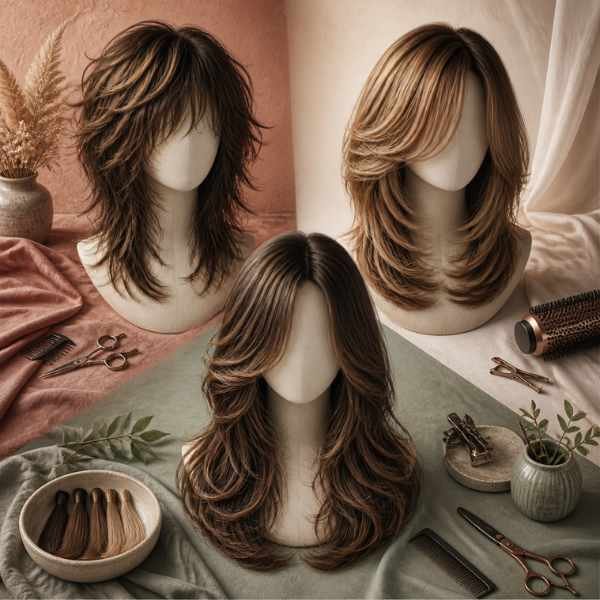
Both cuts can look great. The right pick depends on your hair, your routine, and the finish you like.
Choose a Shag for Texture, Volume, and Low-Fuss Movement
A shag works well if you want a cut with personality. It builds volume at the crown and adds shape that holds without much effort.
Pick a shag if you:
- Like an undone, textured finish
- Want built-in volume
- Have wavy or curly hair that needs shape
- Enjoy air drying and scrunching products into your hair
- Are happy to wear bangs
Shags also help hair that feels heavy or flat. Cutting weight out of the top and sides lets the hair move. Curly hair often benefits because a shag can break up the triangle shape that appears with one-length cuts.
Choose a Layered Cut for Polish, Versatility, and a Softer Grow-Out
A layered cut is the safer, more flexible choice. You can keep your length, tweak the amount of movement, and change how obvious the layers are.
Pick layers if you:
- Want a smooth, polished look
- Prefer to keep most of your length
- Do not want bangs
- Like switching between sleek and wavy styles
- Want a cut that grows out gracefully
Layers also suit people who need a professional look at work. You can blow dry them straight, curl them, or leave them natural. If you visit the salon only a few times a year, layers tend to forgive longer gaps.
Common Myths and Mix-Ups That Cause Salon Regrets
Because these cuts overlap, people often ask for the wrong thing. Clearing up the myths helps you avoid a haircut that surprises you.
Myth: A Shag and a Wolf Cut Are the Same Cut
They are close relatives, not twins. Both use heavy layering and usually include bangs. The wolf cut is bolder, with a stronger contrast between very short top layers and long, thin ends. It leans toward a mullet-inspired shape.
A classic shag is usually more balanced. The layers taper more gradually, and the overall silhouette is softer. If you want edgy and dramatic, ask for a wolf cut. If you want textured but wearable, ask for a shag.
Myth: A Butterfly Cut Is Just a Shag with a New Name
A butterfly cut is a long layered cut with short face-framing layers and longer layers underneath. The bouncy finish usually comes from styling with a round brush, volumizing products, or rollers.
It does not rely on the choppy, separated crown that defines a shag. Think of it as a polished layered style, not a messy one. Some stylists even say a butterfly cut is simply a classic layered cut with a trendy name.
Myth: A Shag Is High Maintenance Because It Looks Undone
The messy look is designed, so it is easy to assume it takes work. In reality, many shags are low effort day to day. A little texture spray, sea salt spray, or curl cream, plus air drying, is often enough.
The real upkeep is the trim schedule. Because the shape depends on the layers, it can lose definition as it grows. Plan on a refresh every 6 to 10 weeks to keep the crown and fringe looking sharp. Styling is quick, but trims matter.
FAQ
Is a Shag Just a Type of Layered Haircut?
Yes. A shag is a heavily layered style with choppy, textured layers. Layers alone do not make a cut a shag.
Which Is Better for Fine Hair, a Shag or Layers?
Light, long layers usually work best because they add movement without thinning the ends. A soft shaggy bob can work too if the layers are not overly choppy.
Can Straight Hair Pull Off a Shag?
Yes, with the right cutting and products. Straight hair may need texture spray to keep the choppy layers visible, and a skilled stylist to prevent a flat look.
Do Shags and Layered Cuts Need the Same Amount of Upkeep?
Not quite. A shag needs more frequent trims to hold its shape, while a layered cut grows out more softly. Daily styling is often easier with a shag.
What Should I Ask For If I Want Texture Without a Full Shag?
Ask for long layers with soft face-framing pieces and light texturizing at the ends. Skip the heavy crown layers and the full fringe.
Is a Shag or a Layered Cut More Flattering by Face Shape?
Both can flatter any face shape when they are customized. Face-framing layers soften a strong jaw, while a shag with curtain bangs can add balance to a longer face.
The Bottom Line
So, are a shag and a layered cut the same thing? Not quite. Layers are the technique. A shag is a bolder, choppier, more textured style built from that technique.
When comparing a shag vs layered haircut, focus on three things: how much contrast you see between layers, whether there is a fringe, and how polished or undone the finish looks. Those clues tell you which cut you are really looking at.
Choose a shag if you want volume, texture, and a relaxed finish. Choose layers if you want polish, flexibility, and an easier grow-out. Whatever you pick, bring photos to your consultation and describe the length, the fringe, and the finish you want. Clear communication prevents most salon regrets.

