
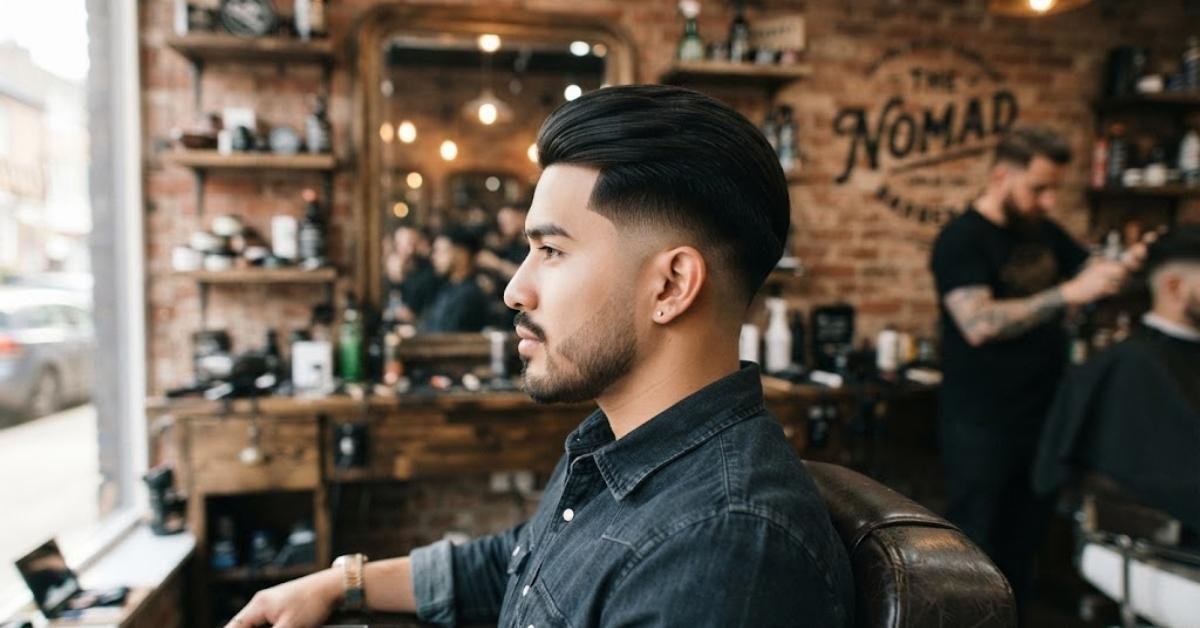

Low taper fade straight hair is a cut where the sides and back shorten gradually, starting just above the ear and ending at the neckline, while the top stays long enough to style. It is the most flexible fade for straight strands because the contrast stays soft and the blend looks clean.
It works at school, in the office, and on weekends, and it needs a trim every two to four weeks. This guide covers 31 styles, clipper guard numbers, face shapes, hair types, styling steps, and common mistakes, so you can walk into the barbershop with a clear plan.
What Is Low Taper Fade Straight Hair?
A low taper fade is a haircut where hair gets shorter in small steps from the top down to the sideburns and neckline. The fade stays low, sitting around or just above the ear, so most of the side hair keeps some length.
On straight hair, the strands lie flat and the transition looks smooth. That also means every blend line shows, so a skilled barber matters.
Why Is Low Taper Fade Straight Hair So Popular?
Three things keep it near the top of barber request lists:
• It looks neat without looking extreme.
• It grows out slowly and stays tidy for weeks.
• It pairs with almost any top, from a short crop to a mullet.
Softer, more blended fades are also leading the 2026 trend, and the low taper fits that shift. It passes dress codes and still looks current on social media.
Who Should Get Low Taper Fade Straight Hair?
This cut suits you if you are:
• A student or office worker who needs a clean look.
• Trying a fade for the first time.
• Growing out your hair but want tidy edges.
• A man with thin, medium, or thick straight hair.
If you want a bold, high contrast skin fade, a mid or high fade will suit you better.
Benefits of Low Taper Fade Straight Hair
• Works on most face shapes and hair densities.
• Easy daily styling, often under five minutes.
• Sharp neckline and ears without a dramatic look.
• Grows out gracefully between barber visits.
Read More: Low Taper Fade Textured Fringe: 25 Modern Haircuts for Men
Is Low Taper Fade Straight Hair Right for You?
Ask yourself four quick questions:
1. Do I want a clean look without extreme contrast?
2. Can I visit a barber every two to four weeks?
3. Is my hair at least 1 inch long on top?
4. Am I fine with a few minutes of styling?
Three or four yeses mean this cut is a strong fit.
31 Best Low Taper Fade Straight Hair Hairstyles
Each style below uses the same low taper base. Only the top, the length, and the finish change.
Classic Low Taper Fade Straight Hair
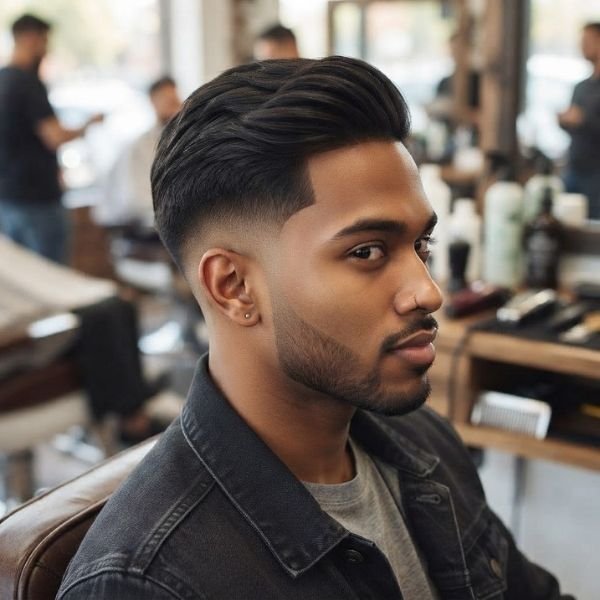
The base cut. Keep 2 to 3 inches on top, comb it to the side or straight back, and start the taper low above the ear. Clean, safe, and works anywhere.
Low Taper Fade with Textured Fringe Straight Hair
Point cut the top and push it forward into a broken fringe. Matte clay adds grit. It is one of the most requested looks right now and needs hair with enough body to hold lift.
Blowout Low Taper Fade Straight Hair
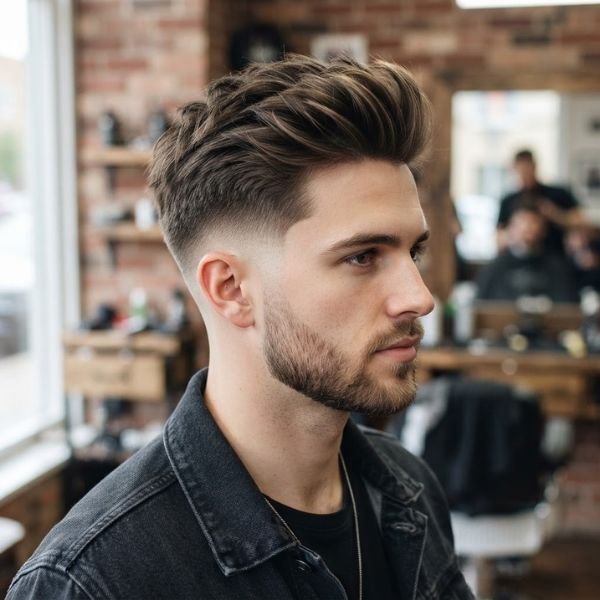
Blow dry the top upward and back with a round brush for height. The slim sides make the volume look intentional, not bulky.
Low Taper Fade Mullet Straight Hair
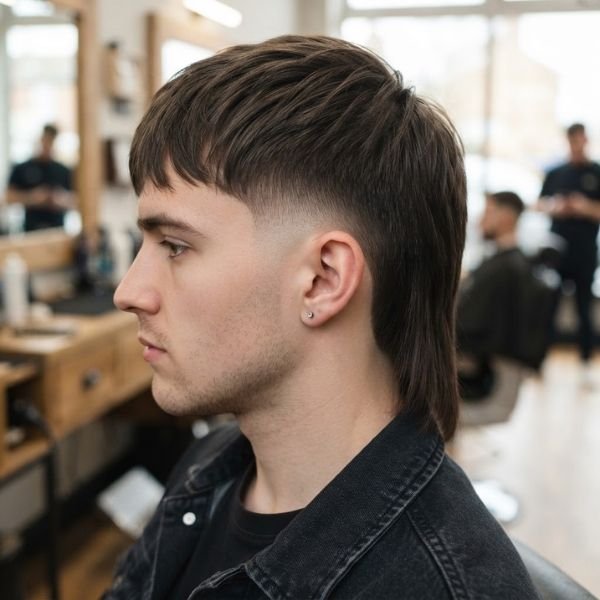
Short sides, a longer back, and a low taper keep the mullet wearable. Keep the front short and textured and let the nape grow.
Blonde Low Taper Fade Straight Hair
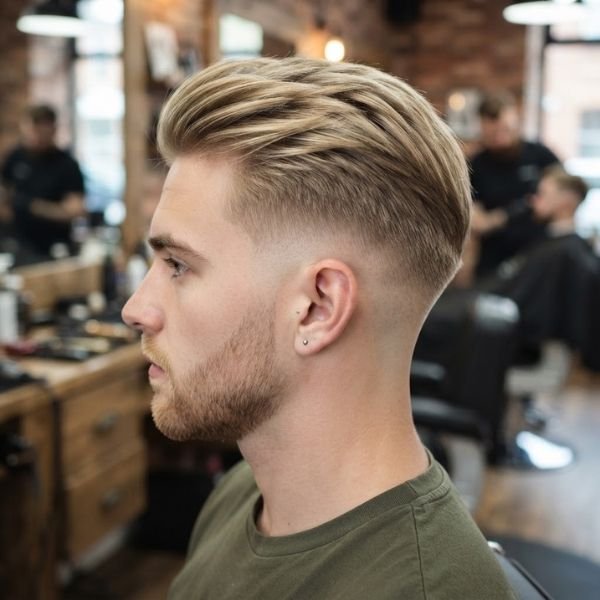
Lightening the top adds contrast against the faded sides, so the taper reads sharper. Use purple shampoo weekly to control brassiness.
Low Taper Fade Straight Hair Fringe
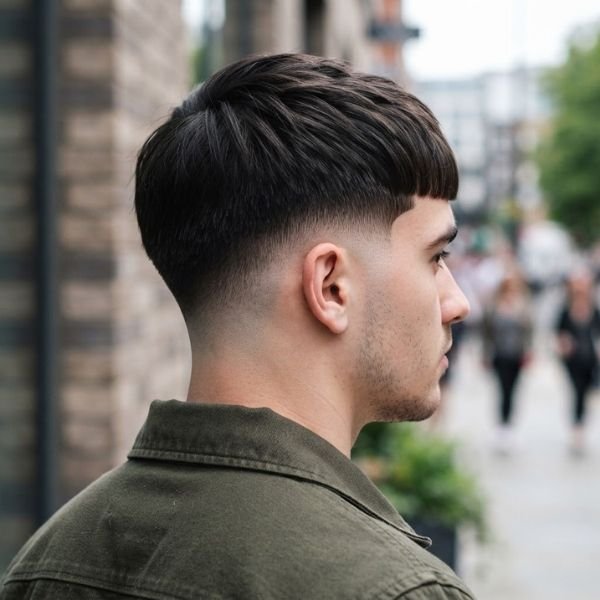
Cut the front longer and let it fall across the forehead in a straight or slightly angled line. Ask for light texture so it does not look heavy.
Short Low Taper Fade Straight Hair
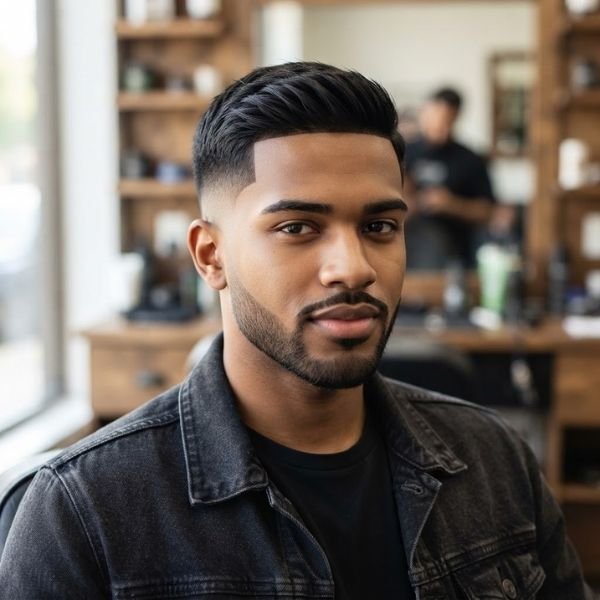
Keep the top at 1 to 2 inches for a crisp, low effort cut. A short top shows the taper clearly, so the neckline must stay neat.
Thin Low Taper Fade Straight Hair
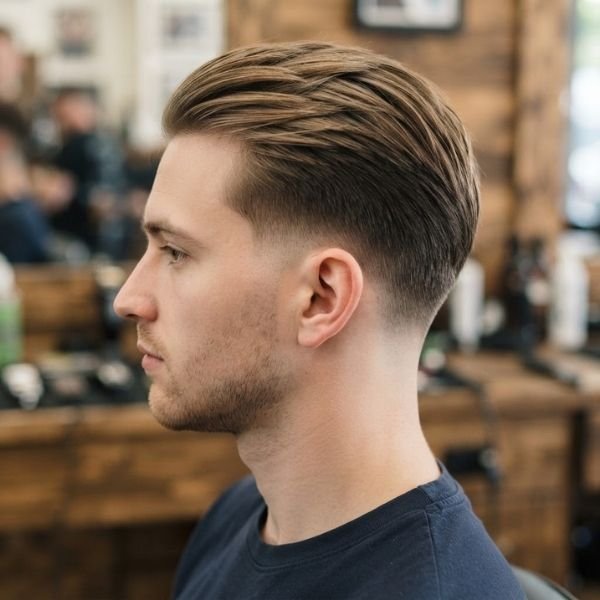
Thin hair looks fuller with volume on top and tight sides. Use texture powder or sea salt spray and skip heavy pomade.
Low Taper Fade Straight Hair Asian
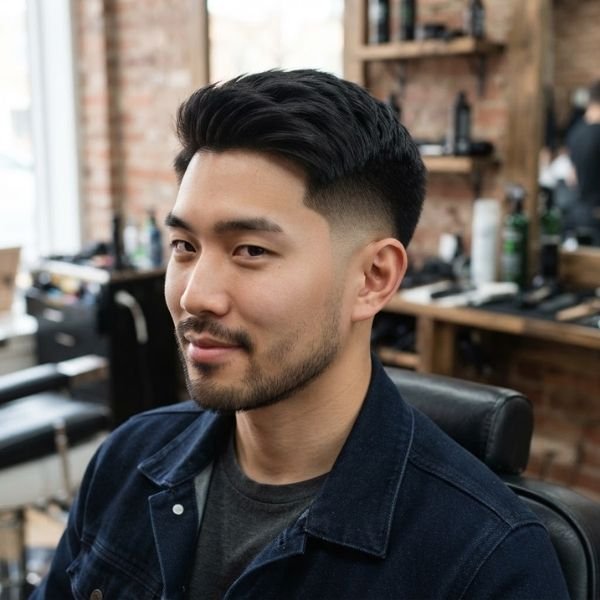
Many men of East Asian descent have thick, dense, straight hair that tends to stand away from the sides. A low taper controls that bulk. Ask for thinning shears on top.
Mid Taper Fade straight hair
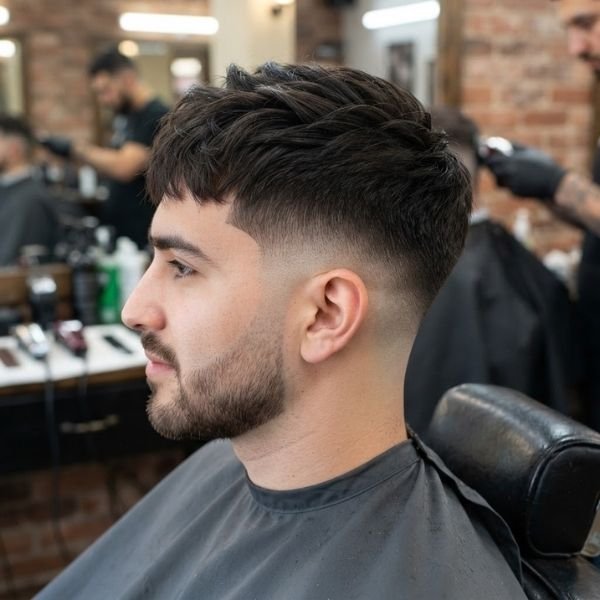
A mid taper starts near the temple, higher than the low version. It adds contrast and suits men who find the low taper too subtle.
Low Taper Fade Middle Part Straight Hair
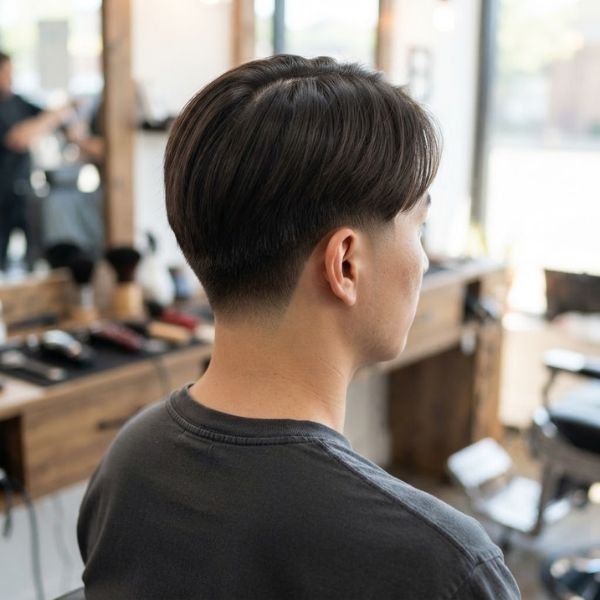
Part the hair down the center and let both sides fall forward. It frames the face and suits flat lying strands. A light cream tames flyaways.
Burst Low Taper Fade Straight Hair
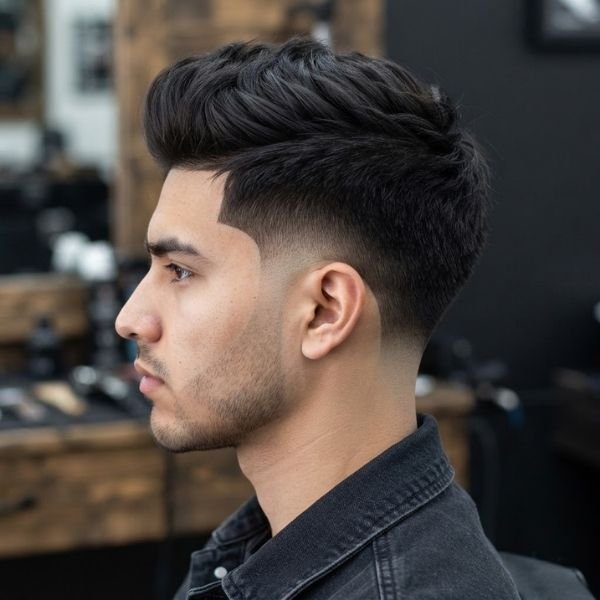
A burst fade curves in a half circle around the ear. Paired with a low taper behind it, the shape adds detail without a full skin fade.
Fluffy Low Taper Fade Straight Hair
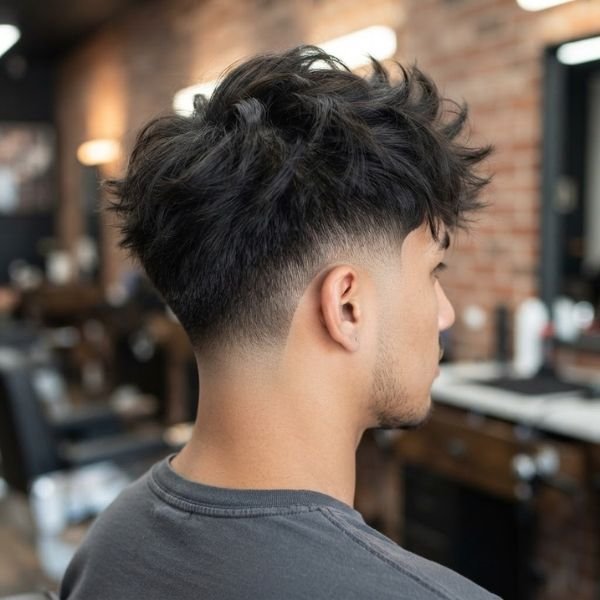
Layer the top and dry it with your fingers and a blow dryer. Set it with sea salt spray. The taper keeps the volume balanced.
Long Low Taper Fade Straight Hair
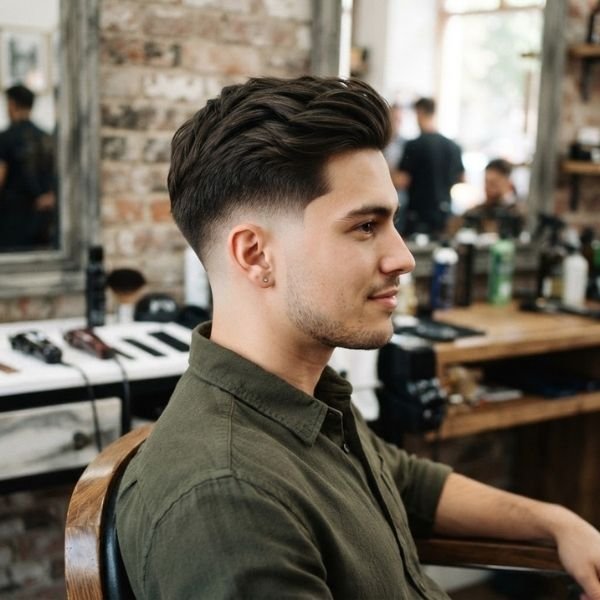
Leave 5 to 6 inches on top and tuck the sides behind the ears. The taper adds neatness to length. Good for creative jobs and men growing their hair.
Messy Fringe Low Taper Fade Straight Hair
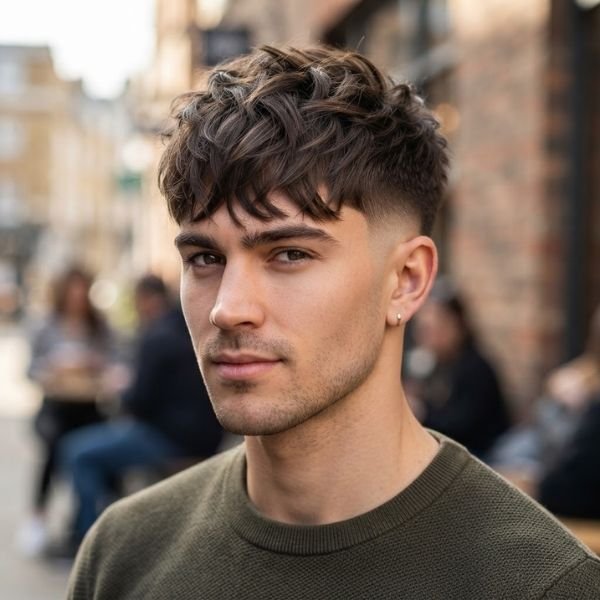
Rough dry the top, tousle it forward, and set it with paste. The imperfect fringe feels relaxed while the clean sides keep it sharp.
Low Taper Fade Long on Top Straight Hair
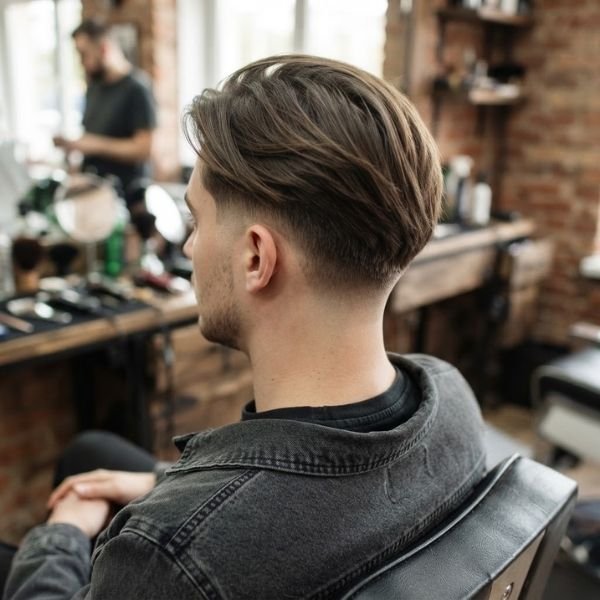
With 4 inches or more on top, you can sweep the hair back, to the side, or up. Trim split ends often so the length looks healthy.
Low Taper Fade Straight Hair Front Style

Push the front into a neat quiff or comb it forward. Texture at the hairline becomes the focus, so ask for a crisp temple edge.
White Male Low Taper Fade Straight Hair
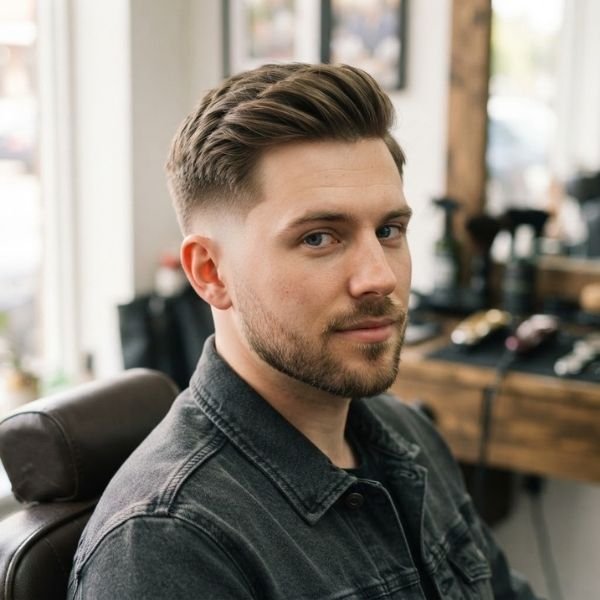
Straight, fine to medium hair is common among men of European descent, though every head differs. A textured top or side part with light volume products works well.
Low Taper Fade Straight Hair with Design
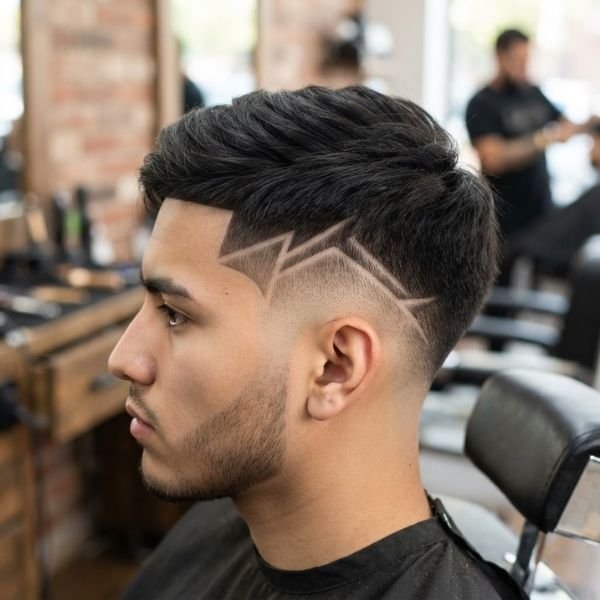
Add a thin line or small shape in the faded area. Keep it simple so it ages well, and book a barber with a proven portfolio.
Messy Top Low Taper Fade Straight Hair
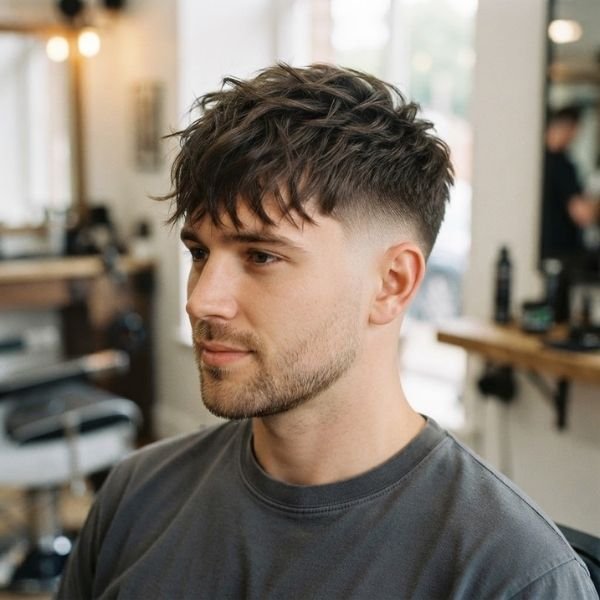
Uneven layers on top give a lived in look. Finger comb with matte clay and skip the mirror fuss. Ideal for busy mornings.
Slick Back Low Taper Fade Straight Hair
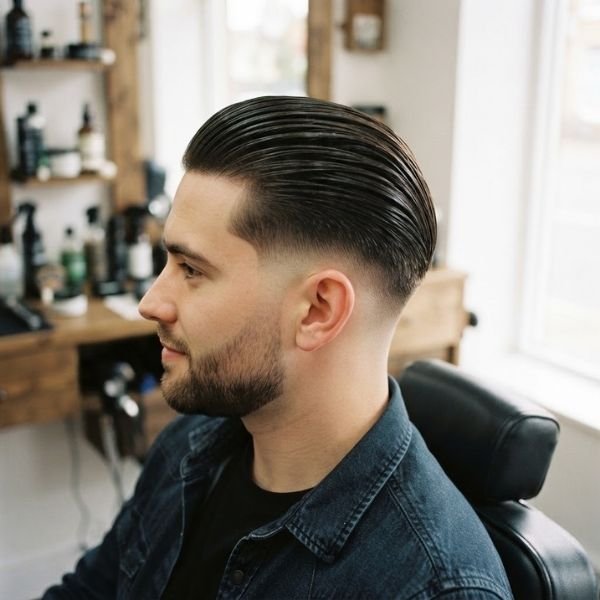
Comb the hair back with a medium shine pomade. The low taper makes the slick back look polished. Keep 3 to 4 inches for control.
Mid Low Taper Fade Straight Hair
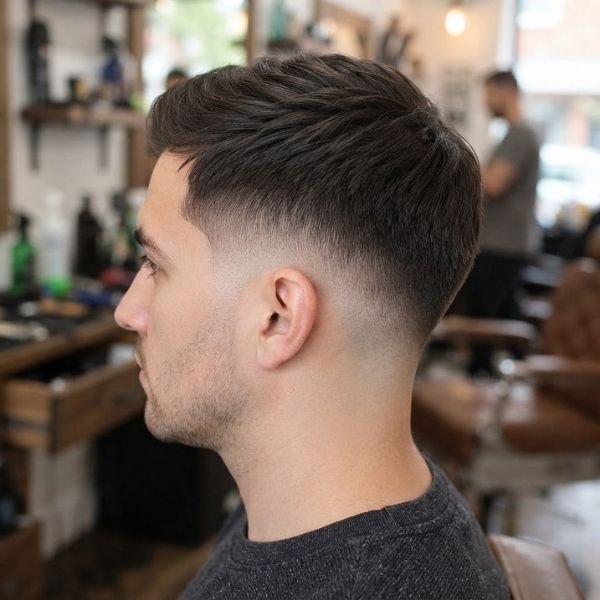
Start the fade between low and mid, around the top of the ear. It gives more contrast than a pure low taper and stays office safe.
Hispanic Low Taper Fade Straight Hair
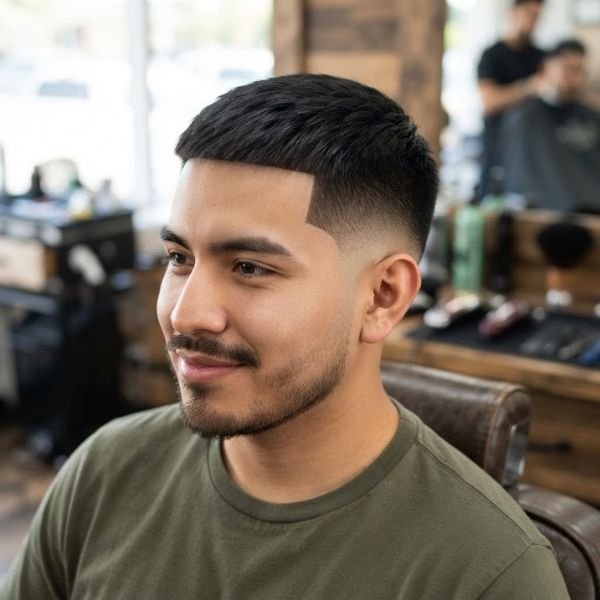
This cut is common in many Latino barbershops, often with crisp lineups and clean edges. Dark straight hair shows sharp contrast, so the neckline and edge up matter.
Wavy Style with Low Taper Fade Straight Hair
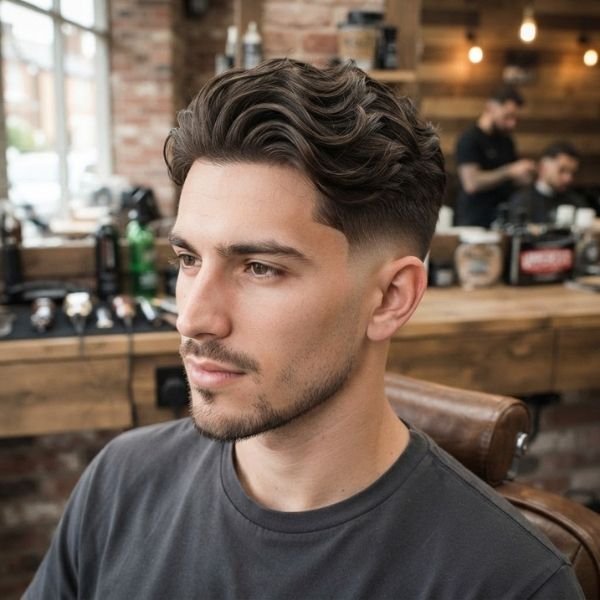
If your straight hair has a slight wave, let it show. Scrunch in a light cream and air dry. The taper keeps the waves neat.
Modern Mullet Low Taper Fade Straight Hair
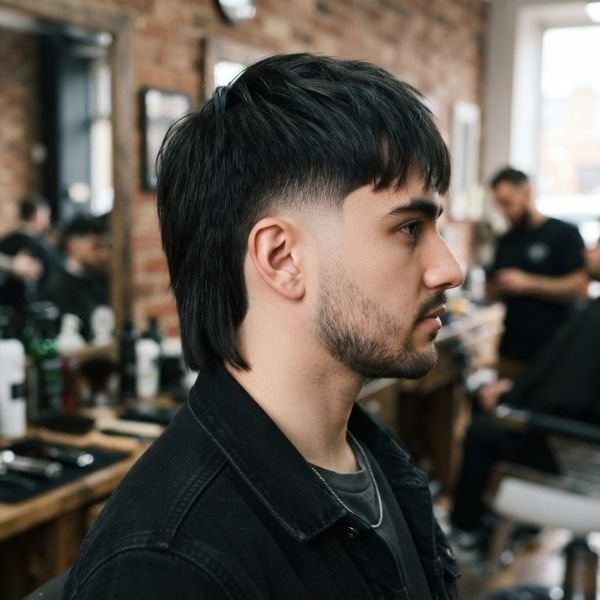
A softer mullet with textured layers and clean tapered sides. Trim the back every six to eight weeks to hold the shape.
Front View Low Taper Fade Straight Hair

From the front, a good taper shows narrow, even sides and balanced temples. Check both sides in the mirror for symmetry before you leave the chair.
Edgar Low Taper Fade Straight Hair
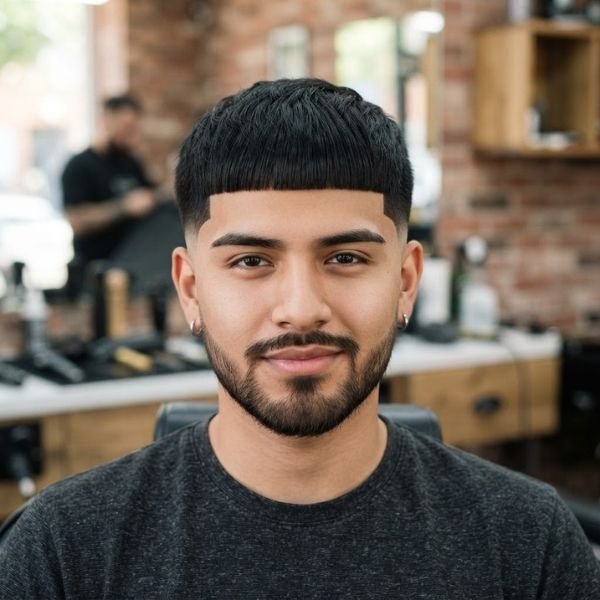
The Edgar cut pairs a blunt, straight cut fringe with a sharp low taper. It needs a precise fringe line and regular trims. It is popular among teens and young men.
Read More: Taper Fade Mullet: The Complete Guide to the Coolest Haircut Trend
Low Taper Fade Straight Thick Hair
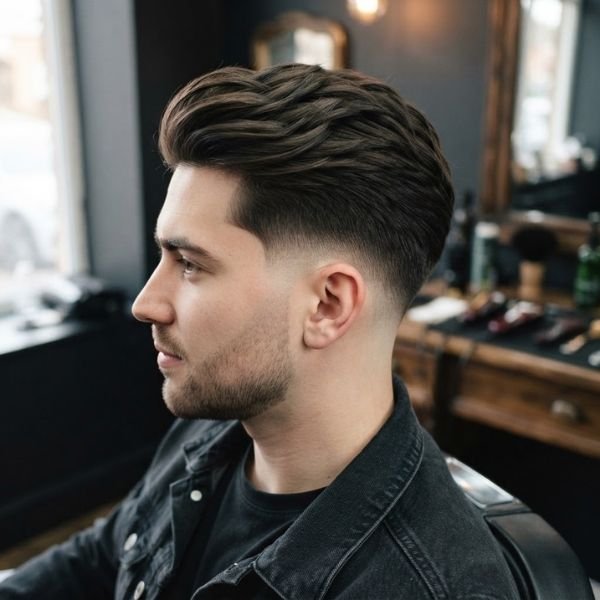
Thick hair needs weight removal. Ask for thinning shears and keep the sides tight so the top does not look like a helmet. Use a strong hold clay.
Brush Up Low Taper Fade Straight Hair
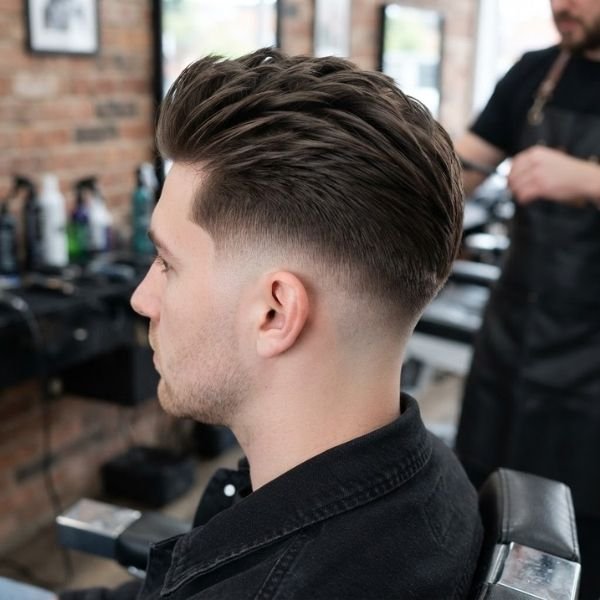
Brush the top upward and slightly back. Blow dry, then finish with firm paste. It works best with 3 to 4 inches of length.
Side Part Low Taper Fade Straight Hair
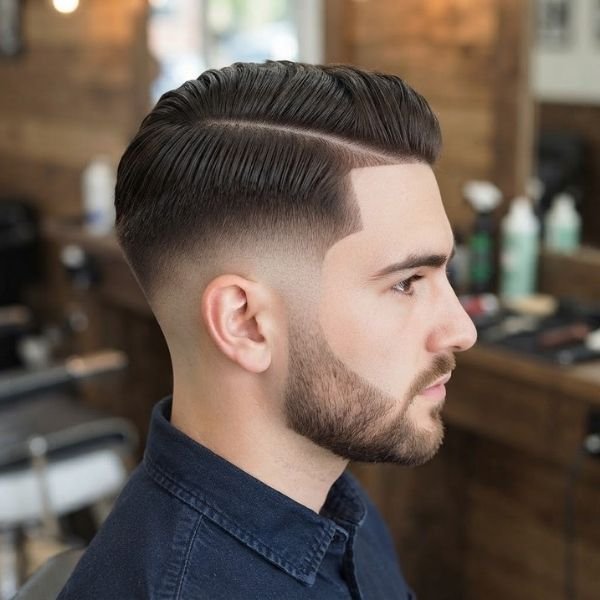
Pick your part line, comb it, and set it with pomade. It is the most professional look on this list. A shaved part line adds extra sharpness.
Modern Low Taper Fade Straight Hair
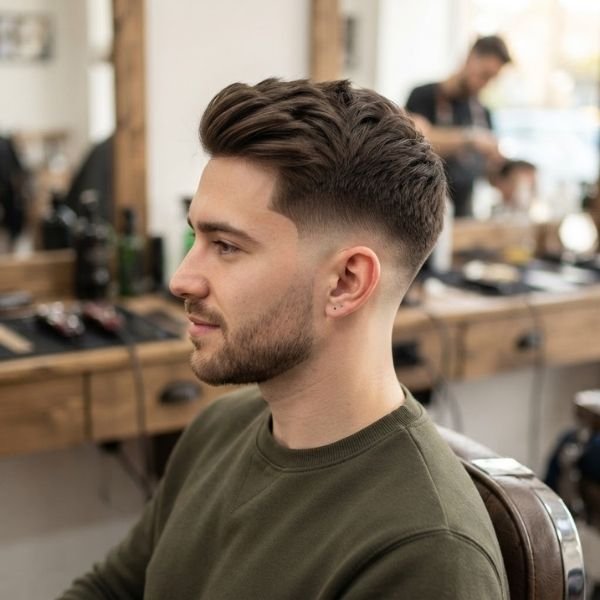
A current take: textured top, soft taper, natural finish. Little product, low effort, and a style that does not date quickly.
How to Ask Your Barber for Low Taper Fade Straight Hair
Clear instructions prevent a bad cut. Follow these steps:
1. Say “low taper fade” and mention that you have straight hair.
2. Name the guard at the bottom and where it should blend.
3. State the top length in inches.
4. Choose a natural or squared neckline.
5. Show a photo from your phone.
A sample request: “Low taper fade, number 1 at the bottom, blend up to a 3, about three inches on top, textured, natural neckline.”
Recommended Clipper Guard Numbers
| Area | Guard | Length |
| Neckline and sideburns | #0.5 to #1 | 1.5 to 3 mm |
| Lower blend | #2 | 6 mm |
| Upper blend | #3 | 10 mm |
| Transition into top | #4 | 13 mm |
Best Fade Height
The best fade height for this cut is about 1 to 1.5 inches above the ear. That keeps the fade low and the sides soft. Go slightly higher only if you want more contrast.
Best Hair Length on Top
• 1 to 2 inches: short, sharp, and low maintenance.
• 2 to 4 inches: the sweet spot for most styles.
• 4 to 6 inches: long and flowing, needs more care.
Straight hair needs at least 2 inches if you want visible texture.
Best Face Shapes for Low Taper Fade Straight Hair
The right top style balances your face. The taper does the rest.
Oval Face
Almost every style works. A side part or classic comb over keeps proportions even.
Square Face
A soft fringe or textured top softens a strong jaw line.
Round Face
Add height with a quiff or brush up. Avoid flat, heavy fringes.
Diamond Face
A fringe or side swept top balances wide cheekbones.
Heart Face
Medium length with side swept texture balances a narrow chin.
Best Hair Types
Thick Straight Hair
Remove weight with thinning shears and use a strong clay. Keep the sides tight.
Thin Straight Hair
Build volume with texture powder and a blow dryer. Keep the top 2 to 3 inches.
Fine Hair
Use light products and avoid greasy pomade. A short, textured top looks fuller.
Medium Hair
The easiest type to style. Most of the 31 looks above will work.
Pros and Cons of Low Taper Fade Straight Hair
Pros
• Clean but subtle contrast.
• Works with many top styles.
• Easy to style quickly.
• Grows out neatly.
Cons
• Straight hair shows uneven blending.
• Needs trims every two to four weeks.
• Less dramatic than a skin fade.
• Cowlicks can disrupt the front.
Good styling makes your haircut look even better.
A great fade can look flat without styling. The right product and a few simple moves keep the top sharp all day.
Best Styling Products
• Matte clay: strong hold, no shine, best for texture.
• Pomade: medium shine, best for slick back and side part.
• Sea salt spray: adds grit and volume to fine hair.
• Texture powder: lifts thin hair at the roots.
• Light cream: tames flyaways on short styles.
Read More: Mid Taper Fade Mullet: Best Modern Styles, Hair Types & Styling Ideas
Step-by-Step Styling Guide
1. Wash and towel dry so the hair is damp, not dripping.
2. Spray sea salt or apply a pea sized amount of prep cream.
3. Blow dry the top in the direction you want it to sit.
4. Warm a small amount of clay between your palms.
5. Work it through from the back to the front.
6. Shape the front with your fingers and check the sides.
How to Maintain Low Taper Fade Straight Hair
• Book a trim every two to four weeks to keep the blend crisp.
• Get the neckline touched up between full cuts.
• Wash two to three times a week with a gentle shampoo.
• Avoid cutting the sides at home unless you have clippers and practice.
Low Taper Fade Straight Hair vs. Textured Crop
A low taper fade describes the sides. A textured crop describes the top, a short layered cut with a forward fringe. They are not rivals. Most men combine them.
Choose a taper fade alone for a classic look. Choose a textured crop on top for a modern, messy finish.
Low Taper Fade Straight Hair vs. Mid Taper Fade
A low taper starts near the ear and keeps the sides soft. A mid taper starts near the temple and adds visible contrast.
Pick the low taper for work and school. Pick the mid taper for a bolder look.
Celebrity Inspiration
• David Beckham: the English footballer has worn many tapered cuts with a tidy top.
• Cristiano Ronaldo: the Portuguese footballer often wears textured quiffs with faded sides.
• Henry Cavill: the actor known for Superman has worn short, tapered sides with a combed top.
Common Mistakes to Avoid
• Asking for a fade without naming the guard numbers.
• Leaving the top too short for texture.
• Skipping trims for six weeks or more.
• Using heavy pomade on fine hair.
• Ignoring cowlicks at the front hairline.
FAQs About Low Taper Fade Straight Hair
What is a low taper fade?
It is a haircut where the sides taper gradually from the ear and neckline down, while the top stays longer.
Is a low taper fade good for straight hair?
Yes. Straight hair lies flat and shows a smooth blend, though it also exposes mistakes.
How often should I get a low taper fade?
Every two to four weeks keeps the lines sharp.
What guard number is used for a low taper fade?
Most barbers start with a #1 or #1.5 at the bottom and blend up to a #3 or #4.
Conclusion
Low taper fade straight hair gives you a clean, flexible cut with plenty of room to personalize. Pick a top style that matches your hair type and face shape, tell your barber the exact guard numbers and top length, and keep a regular trim schedule.
Save your favorite styles from this list and show them at your next visit. Which one will you try first?


1 thought on “Low Taper Fade Straight Hair: 31 Best Hairstyles for Men in 2026”