


The difference between a wolf cut and a shag comes down to where the layers start and how sharp the shape feels. A shag has soft, feathered layers that frame the face and blend smoothly toward the ends. A wolf cut is a bolder cousin that mixes a shag with a mullet, adding short, choppy crown layers and a stronger step in length at the back.
If you are weighing wolf cut vs shag, pick the shag for softness and easy upkeep, and the wolf cut for volume, edge, and attitude. This guide explains how each cut is built, which hair types and face shapes suit them, what upkeep costs you, and what to say in the salon.
Shag and Wolf Cut at a Glance

| Feature | Shag | Wolf Cut |
| Overall shape | Soft, rounded, feathered layers | Dramatic, choppy, part shag and part mullet |
| Where short layers sit | Around the face and the crown, then blend down | High at the crown, with a sharper step to longer lengths |
| Connection between layers | Mostly blended and connected | More disconnected, with a visible jump in length |
| Best hair density | Fine to thick | Medium to thick |
| Trim schedule | Every 6 to 10 weeks, depending on length | Every 6 to 8 weeks to keep the shape |
| Daily styling | Low to medium | Medium, with texture products |
| Overall vibe | Retro, soft, easy | Edgy, bold, high volume |
How a Shag Is Actually Cut
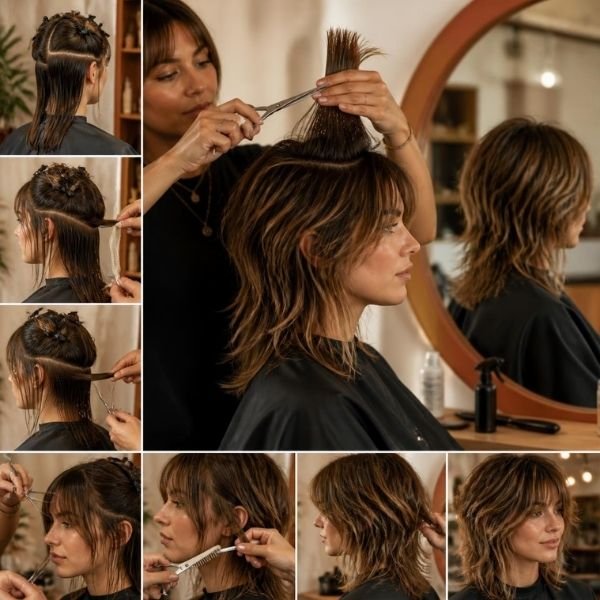
The shag is a 1970s classic that keeps coming back. It is built from many layers at different lengths, with the shortest ones around the face and at the crown. The longer layers fall toward the ends, so the outline stays soft. Hair industry blog Mane Addicts points to the scissor work around the face and the top of the ears as the detail that defines a shag.
Texture is the other signature. The ends are point cut or slide cut so they look feathered instead of blunt. Lifestyle publication Luxe Digital notes that this texture is what makes a cut read as a shag.
Here is how a stylist usually builds one:
1. Section the hair and set the guide length at the crown.
2. Cut shorter layers through the top so the hair gains lift.
3. Add face framing layers that start around the cheekbones or chin.
4. Texturize the ends with point cutting or a razor for a soft, wispy finish.
5. Check the shape dry, because a shag has to look right when it is not styled.
Many people add curtain bangs or a blended fringe. The bangs melt into the side layers, which keeps the whole cut connected.
How a Wolf Cut Is Actually Cut
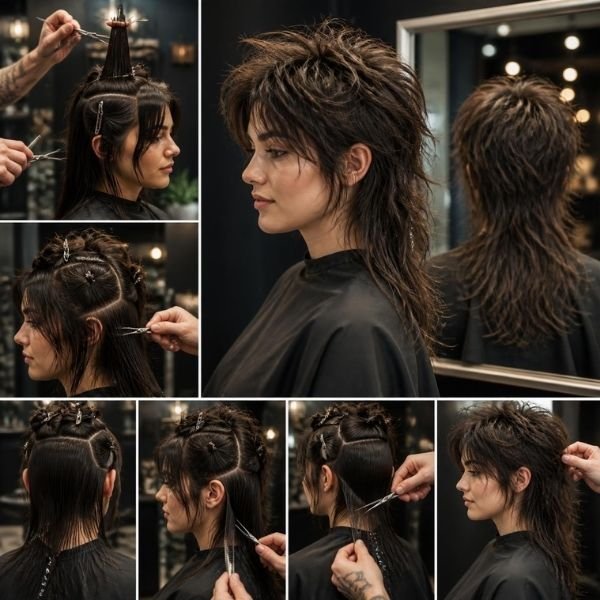
A wolf cut uses the same layering logic but pushes it harder. Short layers start higher on the head and run through the crown, then step down into longer lengths. Hair care brand Davines describes the result as shorter, chunkier, and more disconnected layers than a shag.
That disconnection comes from the mullet side of the family. On Behind the Chair, a trade site for working stylists, stylist Rachel Williams explained that a mullet is disconnected from the ear to the back, while a shag stays connected. A wolf cut borrows part of that idea without going full mullet.
One honest note: the wolf cut has no single official recipe. Mane Addicts says the wolf cut has no exact definition and often comes down to how the stylist reads it. A typical build looks like this:
1. Create a short crown section, often cut close to the scalp for height.
2. Cut choppy layers through the top and sides for strong texture.
3. Leave the back longer so there is a clear step in length.
4. Blend the face framing pieces and any bangs into the crown layers.
5. Texturize with a razor or thinning shears to remove bulk and add movement.
The Wolf Cut Is a Shag’s Bolder Cousin — Not a Different Species
Think of the two cuts as relatives. Davines calls the wolf cut a heavier, more dramatic cousin of the shag, not an unrelated style. The family tree is simple: shag plus mullet equals wolf cut.
Neighbors in the same family include the shullet, which is an extreme shag leaning toward a mullet, and the butterfly cut, a softer, modern take on the shag. TheRightHairstyles adds a useful rule of thumb: the wolf cut starts its layers higher and cuts them shorter, while the shag keeps them lower with softer feathering.
That is why a good stylist can turn one into the other. Add shorter crown layers and a bigger step in length, and a shag becomes a wolf cut. Soften the crown and blend the sections, and a wolf cut slides back toward a shag. The cuts sit on one dial, not on two separate machines.
Which Hair Types Work Best with Each Cut
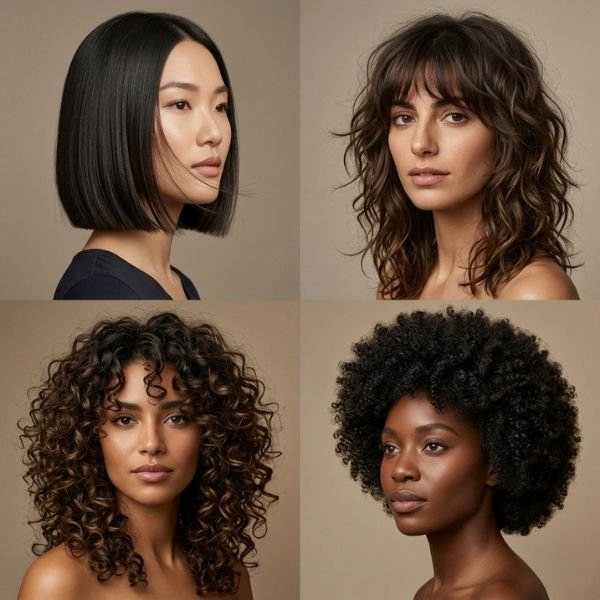
Hair density and texture matter more than the name of the cut. Here is how each hair type tends to behave:
• Fine hair: A shag usually wins. Its layers start lower, so the hair keeps its density. A wolf cut can work if the stylist keeps the shortest layers longer and softer. If the crown is cut too short, fine hair can look sparse.
• Thick hair: Both cuts work. Heavy layering removes bulk, and thick hair can carry the high crown layers of a wolf cut without looking thin.
• Wavy hair: This is the sweet spot for both. Waves give the layers natural movement, so styling takes less effort.
• Curly hair: Both work with a dry cut, where the stylist shapes curl by curl. A shag adds fullness, and a wolf cut adds lift at the top.
• Straight hair: Both need styling to show the layers. A wolf cut gives a sharper, edgier line, and a shag looks softer and more polished.
• Coily hair: Both can work with a stylist who knows textured hair, because the layers must be placed to support the shape and definition.
Length counts too. Luxe Digital says a wolf cut needs medium to long hair to show off the volume on top and the flow at the back. A shag is more flexible and works from a short crop to long hair.
Face Shape Compatibility
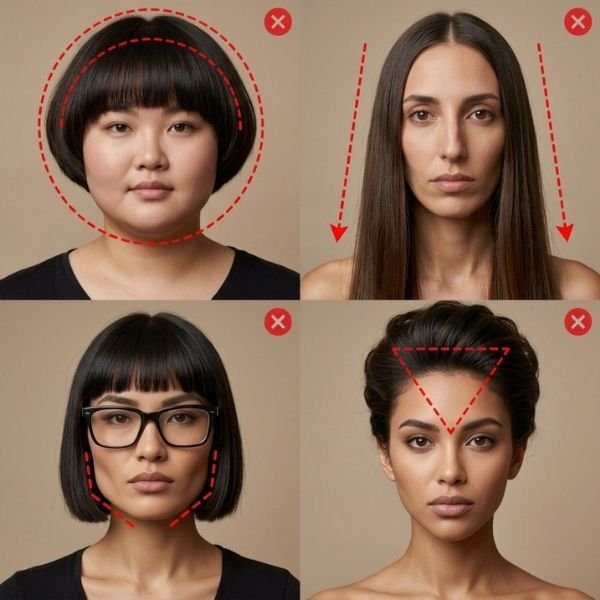
Face shape is a guide, not a strict rule. The layers around your face do most of the work, so ask your stylist to place them where you want to soften or highlight. These pairings are common starting points:
• Oval: Almost any version works, so choose based on hair type and lifestyle.
• Round: A longer shag with layers that start below the chin adds length. Keep the wolf cut’s crown height for lift, and avoid heavy width at the cheeks.
• Square: Soft, feathered shag layers around the jaw balance strong angles. A wolf cut with wispy face framing does the same.
• Heart: Layers that add weight near the chin balance a wider forehead. Curtain bangs help here.
• Long or oblong: Extra volume at the sides and a fringe shorten the face. A shag with bangs is a reliable choice.
Davines says a shag suits most face shapes, which is one reason the cut has lasted for decades. The wolf cut is more of a statement, so it helps to see how it looks on your head shape before you commit.
Maintenance: What Each Cut Actually Costs You
Maintenance is where the two cuts split most. Both look best when slightly undone, but they age differently as the hair grows. Consider time, money, and styling effort before you book.
Shags Need Fewer Trims and Less Daily Effort
A shag is forgiving. The layers blend, so growth looks like a natural softening instead of a lost shape. TheRightHairstyles suggests trims every 8 to 10 weeks, and Luxe Digital says a longer shag can wait six to eight weeks, while a short shag needs a trim every four to six.
Daily effort is low. Many people style a shag with a light texturizing spray, a bit of sea salt spray, or a scrunch on damp hair. Bangs are the exception, because a short fringe grows fast and may need a quick trim between visits.
Wolf Cuts Demand More Frequent Upkeep
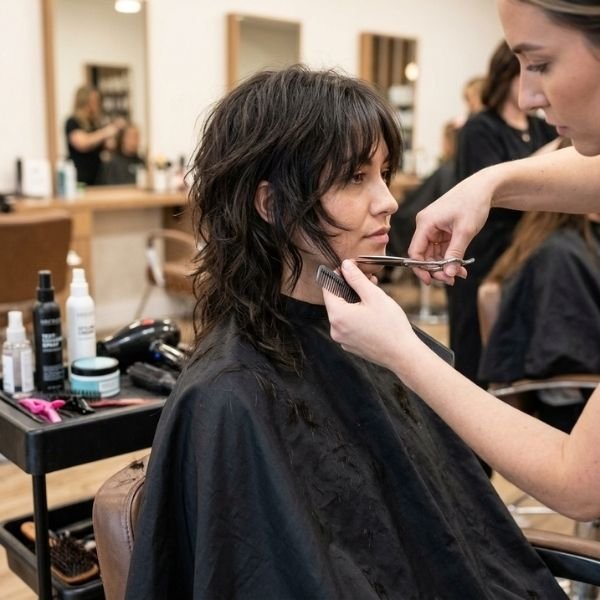
A wolf cut depends on its shape. Without regular trims, the choppy layers soften into a generic shag or a messy grown out mullet. Dyson’s wolf cut styling guide recommends a trim every six to eight weeks, and shorter versions can need visits every four to six.
Styling takes more thought too. Most wolf cuts look best with a blow dry on damp hair, a volumizing mousse at the roots, and a texture product to define the ends. Wavy and curly hair can often air dry, which saves time.
What to Tell Your Stylist
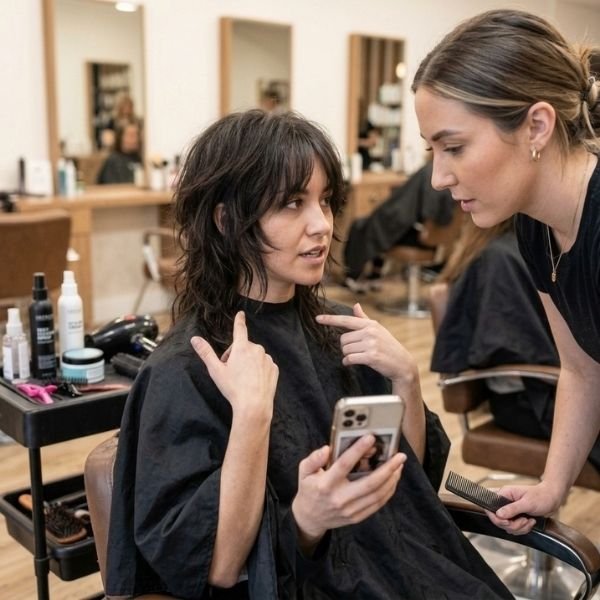
Names mean different things in different salons, so describe the result instead of relying on one word. Bring two or three photos, and include a photo of what you do not want. Mention your hair type, how much time you spend styling, and whether you plan to grow it out later.
Salon Language for a Shag
Use these phrases to steer the cut toward soft and blended:
• “Soft, feathered layers that blend, not choppy or disconnected.”
• “Face framing layers starting around my cheekbones.”
• “Keep the length at the ends and add texture with point cutting.”
• “Curtain bangs that blend into the side layers.”
Salon Language for a Wolf Cut
Use these phrases to steer the cut toward bold and textured:
• “Shorter, choppy layers at the crown with a clear step to the longer back.”
• “Shag with mullet influence, but keep the shortest layers soft.”
• “Razor texture through the ends for a piecey, lived in finish.”
• “Face framing pieces that blend into the crown layers.”
Ask your stylist to show how short the crown layers will go before they cut. That one question prevents most wolf cut regrets, especially on fine hair.
How to Decide: A Quick Decision Framework
Answer these five questions in order. Your answers point to the right cut.
1. How fine is your hair? If it is very fine, start with a shag. If it is medium or thick, either cut works.
2. How much attitude do you want? For soft and retro, choose a shag. For bold and edgy, choose a wolf cut.
3. How often will you visit the salon? If you can book every six to eight weeks, a wolf cut is realistic. If you prefer longer gaps, a shag is safer.
4. How much styling time do you have? Under five minutes points to a shag. A bit more time and product points to a wolf cut.
5. Might you want to grow it out? A shag grows out gently. A wolf cut has the roughest grow out stage because the short crown layers take longest to catch up.
If you land in the middle, choose the shag and ask for a bit more texture. It is easier to add edge later than to undo a very short crown.
Can You Combine Them?
Yes, and many stylists do it all the time. The two cuts sit on the same dial, so a blend is simple to build. Names you may hear include the shaggy wolf cut, soft wolf cut, and the shullet.
A blended cut usually keeps the face framing and soft ends of a shag. It borrows the higher crown layers and extra texture of a wolf cut. You get volume and movement without a steep jump in length, which makes grow out far easier.
This hybrid is a smart choice if you like the look of a wolf cut but have fine hair or a busy schedule. Ask for “a shag with wolf cut texture at the crown” and let your stylist adjust the layer height.
FAQ
Is a Wolf Cut Just a Modern Shag?
Almost. It is a shag with a mullet influence, so it has shorter crown layers and a sharper change in length.
Which Cut Is Better for Fine Hair?
A shag, because its layers start lower and keep density. A wolf cut works only if the crown layers stay longer and softer.
Can I Get a Wolf Cut vs Shag with Curly Hair?
Yes. Ask for a dry cut by a stylist who works with curls, so the layers sit right once the hair springs up.
How Do I Grow Out a Wolf Cut If I Don’t Like It?
Keep trimming the back and sides lightly, and let the crown catch up. A soft shag shape is a smooth halfway stage.
Do I Need Bangs with Either Cut?
No. Both look great with curtain bangs, but face framing layers can give a similar effect without a fringe.
Which Cut Looks More Professional?
A shag usually reads softer and more polished. A wolf cut can look professional with a smooth blow dry, but it stays edgier.
How Much Does Each Cut Cost for the Initial Appointment?
Both are usually priced as a standard cut at your salon. A wolf cut may cost more if it needs extra time, so ask for a quote when you book.
Can I DIY Either Cut at Home?
It is possible but risky. A shag is more forgiving, while wolf cut crown layers are hard to fix once they are too short.
Conclusion
A shag and a wolf cut share the same layered haircut DNA, but they carry different levels of drama. The shag is soft, feathered, and easy to live with. The wolf cut is higher at the crown, choppier, and needs more upkeep. Neither is better in general, and the right one depends on your hair density, texture, face shape, and routine.
Use the decision framework, bring clear photos, and ask your stylist how short the crown layers will go. If you cannot decide, choose the hybrid and adjust at your next trim. Which one are you leaning toward? Share your pick in the comments, and pass this guide to a friend who is stuck on the same choice.

